
A curated world of henna art
Welcome to Mehndi Designs Studio
Discover a thoughtfully organized home for mehndi inspiration. Explore a wide-ranging design library, browse by category, and find patterns, motifs, and tutorials that help you shape a look of your own.
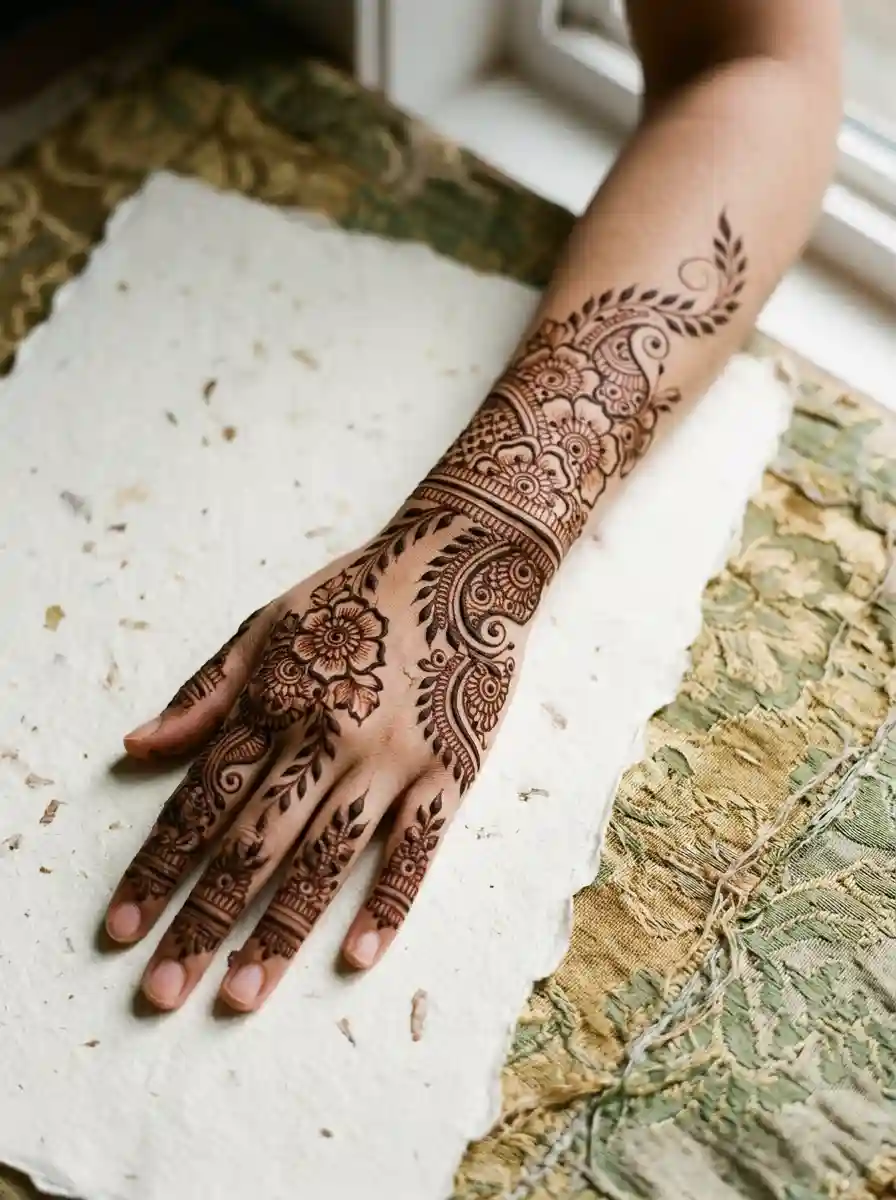
Find your starting point
Explore the Mehndi Design Collections
Mehndi Designs Studio brings related inspiration together in one easy-to-browse hub. Choose a collection that matches what you are looking for, then explore its patterns, guides, and visual references.
Showing all 15 collections
Celebration Mehndi Designs
Browse artful inspiration for meaningful milestones, joyful gatherings, and personal moments worth celebrating.
Explore this collection →Festival & Occasion Mehndi Designs
Find collections connected to festive traditions, seasonal celebrations, and the moments that bring people together.
Explore this collection →Foot & Leg Mehndi Designs
Explore placement ideas for ankles, feet, and legs, from light decorative details to more elaborate compositions.
Explore this collection →Hand Mehndi Designs
Browse a central collection of hand art, with a variety of pattern placements, motifs, and design approaches.
Explore this collection →Latest Mehndi Designs
See fresh visual inspiration and new directions in henna pattern composition, detail, and presentation.
Explore this collection →Mehndi Design Ideas
Browse a broad inspiration collection for discovering interesting combinations, visual references, and creative starting points.
Explore this collection →Mehndi Design Images
Use visual examples to compare linework, pattern density, layout, and the overall feel of different designs.
Explore this collection →Mehndi Designs for Kids
Discover playful, age-conscious patterns and visual inspiration for younger family members and celebrations.
Explore this collection →Mehndi Designs for Men
Explore distinctive ideas, from understated details to expressive looks for grooms and special events.
Explore this collection →Mehndi Motifs & Patterns
Discover the building blocks of henna art, including floral forms, paisley curves, mandalas, and geometric detail.
Explore this collection →Mehndi Styles & Traditions
Explore distinctive artistic approaches and the heritage, craft, and visual language that inform them.
Explore this collection →Mehndi Tools & Application
Find practical resources on the materials and techniques used to apply henna with care and control.
Explore this collection →Mehndi Tutorials & Practice
Build confidence with learning resources that guide you through shapes, motifs, linework, and practice.
Explore this collection →Simple & Easy Mehndi Designs
Browse accessible patterns and approachable ideas for anyone who prefers clear shapes and lighter detail.
Explore this collection →Wedding & Bridal Mehndi Designs
Explore ceremonial inspiration, expressive compositions, and meaningful design references for wedding events.
Explore this collection →A thoughtful starting point
What Is Mehndi Designs Studio?
Mehndi Designs Studio is an online inspiration hub for people who enjoy the artistry of mehndi and henna. It brings visual collections and learning resources together in an organized place, so you can move from a broad idea to a more specific design direction without searching through unrelated pages.
Mehndi is a form of decorative body art created with henna paste. Its visual language can include fine lines, dots, leaves, flowers, paisley forms, circular motifs, and repeated geometry. Artists arrange these elements to create compositions that feel balanced on the chosen area of the body. Some patterns use open space and a few carefully placed details; others build a denser layout with many connected elements.
This studio is designed to help visitors browse that variety. You can begin with a body placement, explore a visual style, look for a motif, or use a tutorial to practice a technique. Each route gives you a different way to explore the craft and find references that match your interests.
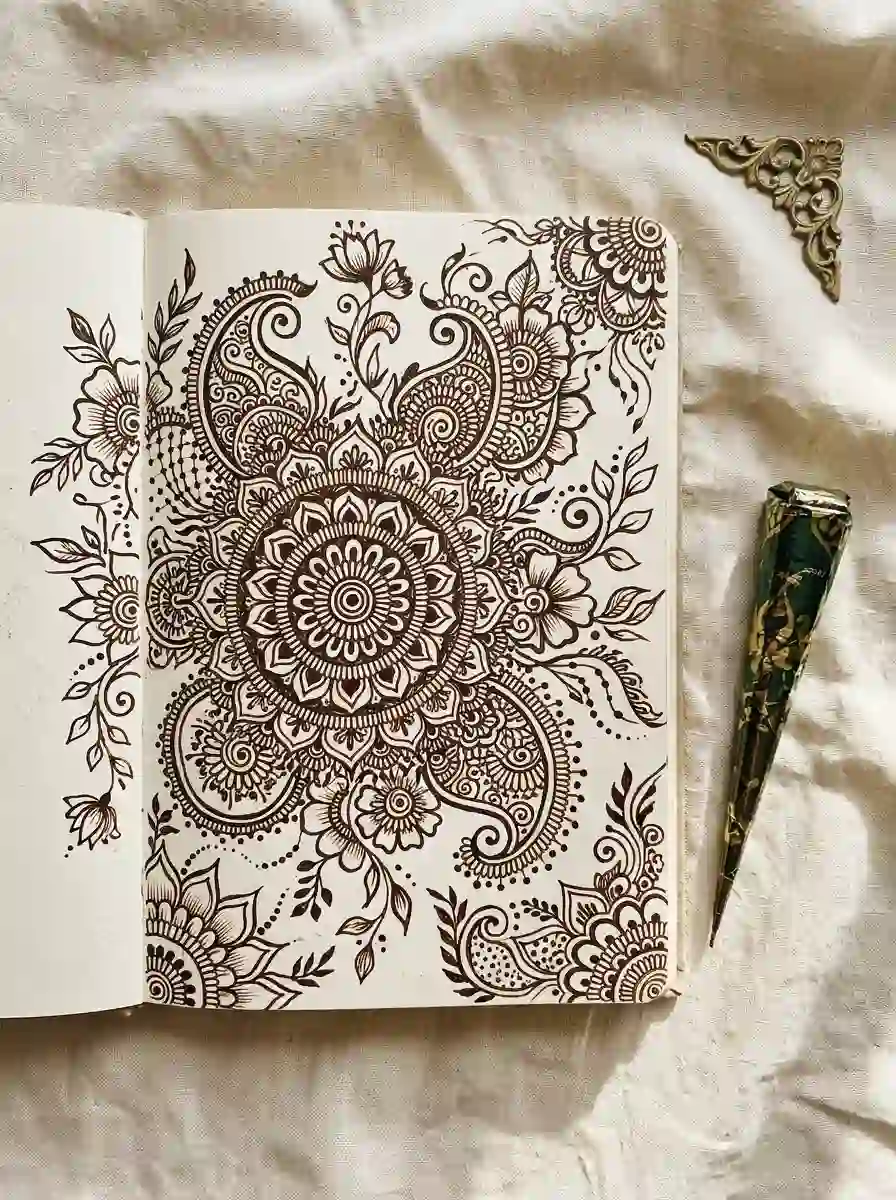
A hub built for discovery
Choose a Path Through the Collections
A good starting point depends on the question you have. Rather than opening every article at once, choose the route that best describes what you want to see or learn.
If you already know where you want the design, begin with a collection organized around that area. Placement affects the shape and flow of a composition, as well as the space available for detail.
If you are drawn to a particular mood, browse by the artistic approach, motif family, or level of detail. Comparing examples can help you identify the qualities you want to keep in your own reference.
If you are preparing for an event, explore the occasion and wedding collections. If you want to learn, move to tutorials and practice resources to build your confidence gradually.
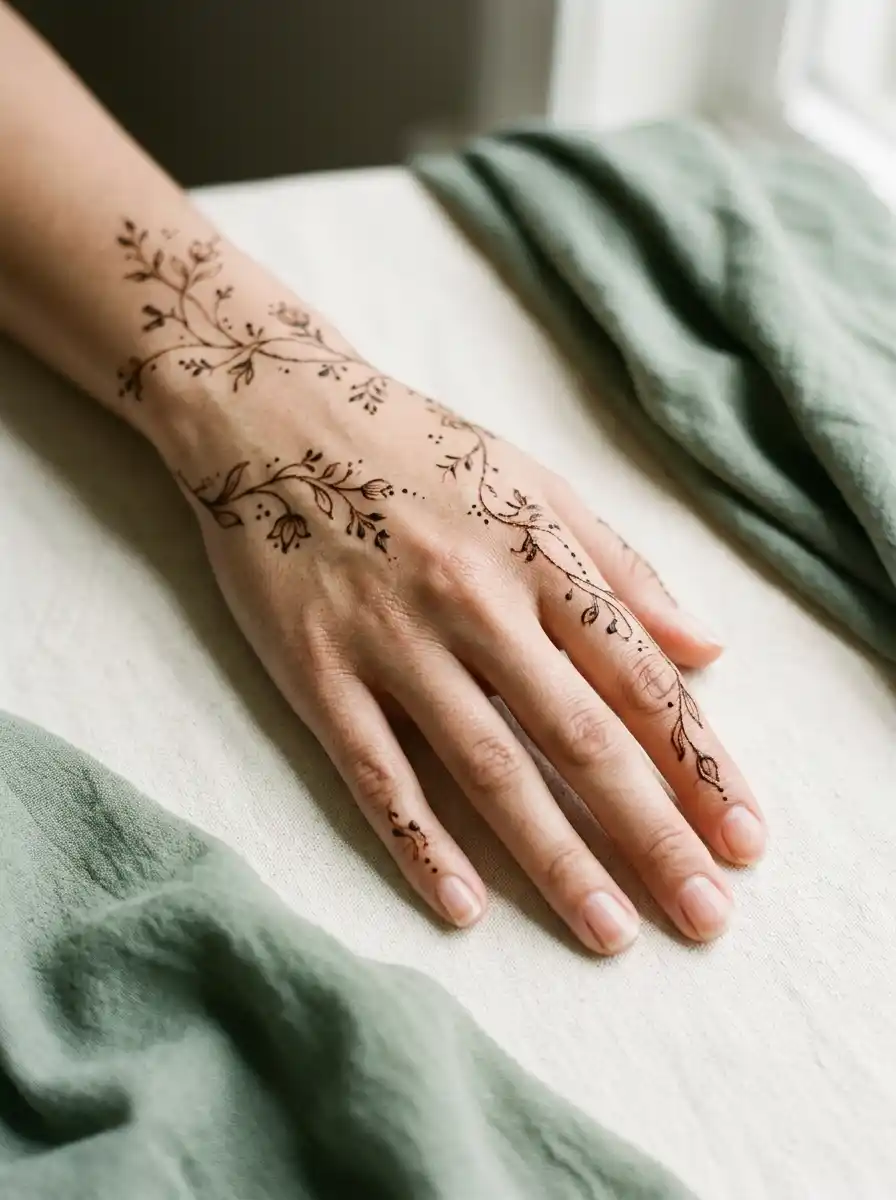
Look closely at the composition
How to Read a Mehndi Pattern
When you compare patterns, look beyond the first impression. Notice where the design begins, how its lines travel, and whether a central motif anchors the composition. A pattern can move from the palm toward the fingers, frame the hand, circle an ankle, or follow a longer path along the leg. These choices create rhythm and guide the eye.
Motifs help give a composition its character. Floral elements can make a pattern feel organic; paisley forms add curved movement; mandala-inspired shapes can create a centered focal point; and geometric details can introduce structure. Dots, fine leaves, scallops, and small connectors help join larger elements. The balance between filled areas and open skin also changes how intricate a design appears.
As you browse the image collection, ask which details you notice first. Is it the focal motif, the repeated border, the way the pattern follows a curve, or the contrast between dense linework and empty space? Naming those preferences makes it easier to save useful references and explain what you like.
From reference to your own direction
Explore Motifs, Flow, and Detail
Many designs are built from a small visual vocabulary. A flower may be surrounded by leaves and dots; a paisley may become a border or a focal feature; a circular motif can anchor a composition; and repeated geometric shapes can create a sense of order. These individual elements are often called motifs. Understanding them helps you compare different examples and see how artists combine familiar forms in fresh ways.
Linework influences the overall feeling of a pattern. Fine lines can create delicate detail, while stronger outlines make shapes stand out. Repetition gives a design rhythm, and symmetry can make it feel balanced. An asymmetrical arrangement may feel more fluid or organic. Neither approach is automatically better; the right one depends on the effect you want and the area where the design will sit.
Negative space is another important part of composition. The skin left open between elements gives the eye room to rest and can make a design feel lighter. Dense coverage brings a different impact, especially when many motifs connect across an area. Looking at how space, line, and shape work together turns browsing into a more useful process: you are not simply collecting pictures, you are learning what makes each composition distinct.
Tradition and personal expression
Discover the Many Ways to Enjoy Mehndi
Mehndi is connected to traditions and celebrations across many communities. The designs people choose can carry personal meaning, reflect a family custom, complement an outfit, or simply express an appreciation for decorative art. Practices vary by region, family, and occasion, so it is helpful to approach cultural references with curiosity and respect rather than assuming that one pattern represents everyone.
Modern design work also brings new combinations of line, motif, and placement. Artists may adapt a familiar element, simplify a composition, or combine visual influences to create a look that feels personal. A gallery can help you observe these choices, while tutorials can help you understand how a pattern is constructed. Inspiration is most useful when it gives you a starting point for thoughtful creativity—not when it encourages copying without context or credit.
As you browse the studio, use the category descriptions to find the kind of reference you want. Some collections are organized around life events; others focus on a visual approach, a placement, or the mechanics of learning. Taken together, they show how broad the craft can be and help make a large subject easier to explore.
A practical browsing routine
How to Find a Design You’ll Love
- Choose the purpose. Decide whether you are exploring for an event, practicing, or collecting visual inspiration.
- Think about placement. Consider the area available and how much coverage you prefer.
- Notice the visual language. Save examples with motifs, line density, and spacing you find appealing.
- Compare a few references. Look for recurring elements and decide which details matter most to you.
- Explore a guide. If you plan to draw or apply a design, use the learning collections for technique and preparation.
Keeping a short reference list can make the process easier. You might note a motif you like, a type of border, how the pattern follows a curve, or the amount of open space. These observations give you a clearer direction when you practice or discuss a design with an artist.
Keep the process comfortable
Take your time when comparing ideas. A design does not need to be complicated to feel considered, and a detailed pattern is not automatically the right fit for every event or placement. Think about how much time you want to spend, what kind of lines you can comfortably practice, and whether you prefer a light accent or a more connected composition.
If you are viewing designs for someone else, include that person’s preferences in the decision. A collaborative choice can account for comfort, personal meaning, and the look they want. Inspiration should make the process enjoyable, not create pressure to choose the most elaborate example.
Learn through observation and practice
Build Your Mehndi Skills One Shape at a Time
If you are learning, begin with the tools and application resources, then practice simple marks before connecting them into a larger composition.
Drawing a smooth line, making consistent dots, and controlling the flow of a cone all take practice. A calm workspace and a few basic exercises can help you pay attention to pressure, spacing, and direction. Start with lines and curves, repeat small leaves or petals, and notice how your hand moves. Working slowly can help you build steadier control.
When you are ready, combine a few familiar elements. A small flower, a curved stem, and a simple border can become a compact pattern. Practice on paper before moving to a more complex layout. Keep examples nearby for reference, but allow room to make adjustments as you learn what feels natural to draw.
Tools and materials also affect the experience. Learn what your chosen cone or applicator is designed for, how to handle it cleanly, and how to follow product guidance. If you have skin concerns or sensitivities, consult a qualified health professional before applying any product. Do not assume that every product labeled as henna is the same; check ingredients and avoid products with unclear labeling.
The tutorials and practice collection is intended to support learning, not replace an experienced artist or product instructions. Treat it as a resource for building technique at your own pace, asking better questions, and developing a visual vocabulary that helps you create with greater confidence.
Thoughtful, respectful inspiration
Choose References with Care
Images can be useful references, but they represent someone’s creative work and may reflect cultural practices that carry meaning. When you save or share a design, credit the original artist or source where possible. If an image is presented without attribution, avoid claiming it as your own work. If you commission a design, describe the elements you like and invite the artist to interpret them in their own style.
For an event, consider the practical details as well as the visual ones. Think about timing, comfort, and the setting. If you are choosing a pattern for a child or for another person, make sure the person wearing it is comfortable with the design and the product being used. A careful choice can make the experience more personal and enjoyable for everyone involved.
Mehndi Designs Studio is built to make discovery easier by giving related resources clear homes. Use category pages to narrow your browsing, use image galleries to compare visual details, and use learning resources when you want to understand process or technique. Together, these paths help you move from curiosity to a more informed design choice.
Frequently asked questions
Questions About the Studio
What can I find at Mehndi Designs Studio?
Mehndi Designs Studio is a browsable online hub with collections for different design interests, visual inspiration, tutorials, practice resources, and information about tools and application. Use the category cards above to choose a starting point, then follow the links to explore the related collection.
How should I choose a mehndi pattern?
Start with your reason for looking, the placement you have in mind, and the amount of detail you prefer. Compare a few references and notice the motifs, spacing, linework, and overall composition. If you plan to apply or draw the pattern, consider your experience and allow time to practice before creating a more elaborate design.
Can beginners use the tutorials and practice collection?
Yes. The tutorials and practice collection is intended to help visitors begin with basic shapes, lines, and motifs, then build toward connected patterns. Progress at a comfortable pace, follow the instructions for your materials, and practice on paper or another suitable surface before attempting a detailed design.
What is the difference between a motif and a full design?
A motif is an individual element, such as a flower, leaf, paisley, dot cluster, or geometric shape. A full design combines motifs with linework, borders, spacing, and placement to create a larger composition. Exploring motifs can help you understand how different elements work together in a complete pattern.
Are all henna products the same?
No. Products can differ in ingredients, intended use, and labeling. Read the product information carefully, follow the manufacturer’s directions, and avoid products with unclear ingredients. If you have a skin condition, known sensitivity, or other concern, consult a qualified health professional before using a product on your skin.
How can I browse the collections?
Use the search field above the cards to find a collection by name, or browse all 15 cards. The cards link directly to the category pages, where you can explore the articles and resources assigned to each collection.
Your next idea begins here
Find Inspiration for Your Next Mehndi Design
Explore the collections, follow the details that catch your eye, and use the studio’s guides to learn more about motifs, composition, and practice. There is always another line, shape, or pattern to discover.
Browse all collections