
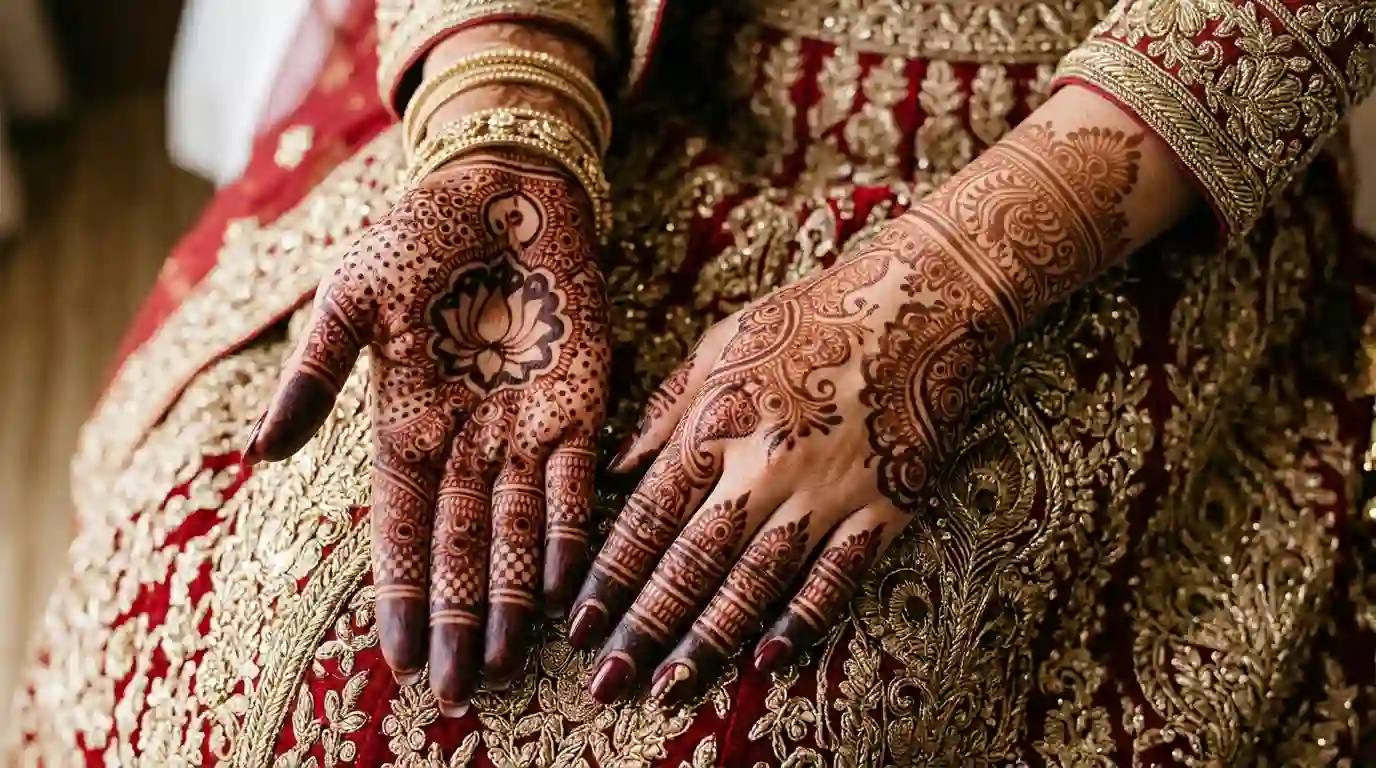
Heavy Mehndi Designs: Bold and Royal Patterns
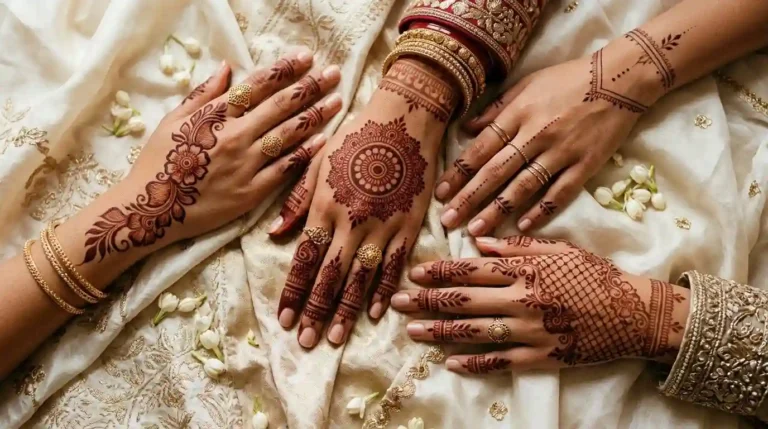
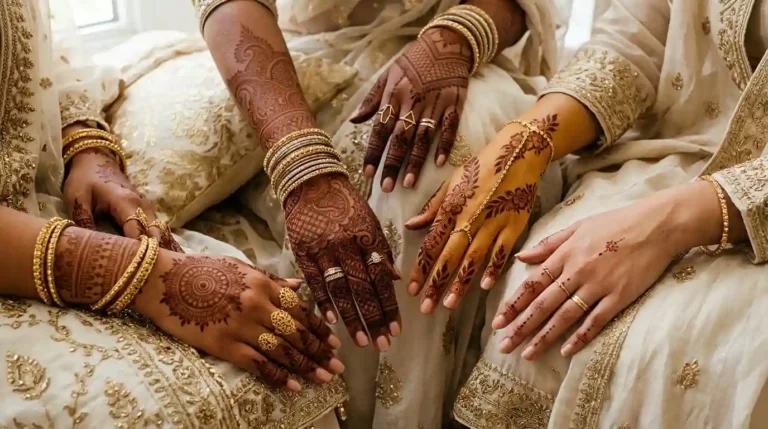
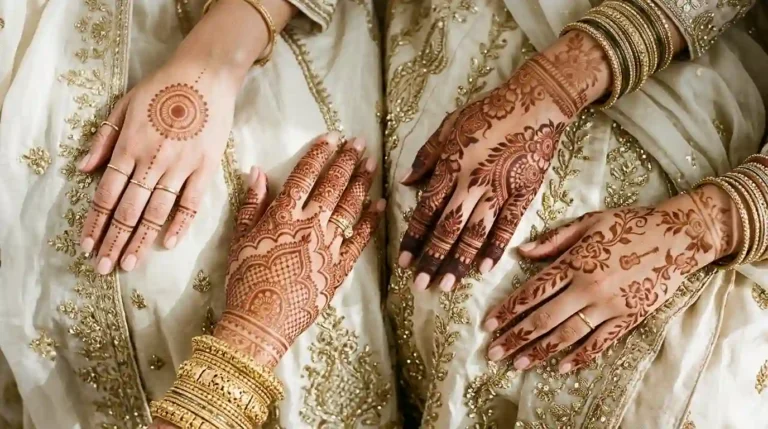
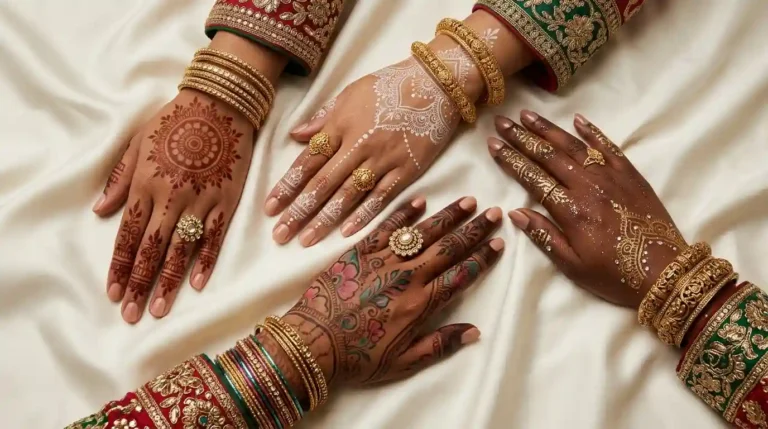
Heavy mehndi designs are the perfect choice for anyone who loves rich, detailed, and beautifully decorated henna patterns. Known for their dense floral arrangements, bold outlines, intricate paisleys, traditional mandalas, and elaborate bridal motifs, these designs transform hands, arms, and feet into stunning works of art. Whether you are preparing for a wedding, engagement, mehndi night, Eid celebration, or another special occasion, heavy mehndi offers countless ways to create an elegant and memorable appearance. From traditional Indian and Rajasthani bridal patterns to Pakistani, Arabic, Indo-Arabic, and Mughal-inspired artwork, every style brings its own charm. Some designs feature full-hand coverage with delicate jaal patterns, while others combine large lotus flowers, peacock motifs, royal portraits, and personalized wedding details. In this guide, you will discover beautiful heavy mehndi ideas for different placements and occasions, learn how to coordinate patterns with bridal outfits, compare traditional and modern styles, and understand essential application, stain development, aftercare, and henna safety tips.
Table of Contents
- Heavy Mehndi Design Features
- Heavy Mehndi Designs by Placement
- Heavy Mehndi Styles
- Heavy Mehndi Designs by Bridal Theme
- Heavy Mehndi Designs by Occasion
- Choosing and Coordinating a Heavy Mehndi Design
- Preparing for a Long Mehndi Session
- Applying Heavy Mehndi and Developing a Dark Stain
- Heavy Mehndi Aftercare
- Henna Ingredients and Skin Safety
- Heavy Mehndi Questions and Answers
- Final Thoughts
Heavy Mehndi Design Features
Heavy mehndi is admired for its rich patterns, extensive coverage, and combination of decorative elements. Unlike simple mehndi that focuses on a few selected motifs, heavy designs frequently cover most of the palm, fingers, back of the hand, and sometimes the forearms.
In Hindi and Urdu, these densely filled patterns may be described as bhari mehndi, bhari hui mehndi, or bharwa mehndi designs. These expressions generally refer to artwork with substantial coverage and elaborate detailing.
The beauty of heavy mehndi lies in combining different shapes without losing the overall structure of the design.
What Makes Heavy Mehndi Special?
Heavy mehndi stands out because of its dense decorative composition, detailed motifs, and extensive coverage.
An artist may begin with a large floral mandala and surround it with intricate paisleys, miniature leaves, fine dots, and connected ornamental borders.
Unlike lighter henna patterns, heavy designs often minimize large empty spaces.
However, complete coverage does not mean every section should look identical. The most attractive compositions use larger focal motifs alongside fine supporting details.
Bold outlines also play an important role. They help define major flowers, leaves, and paisleys against more delicate background patterns.
Heavy henna is especially popular for bridal occasions because it complements elaborate wedding clothing, traditional jewelry, and ceremonial styling.
For readers comparing different levels of decoration, our collection of mehndi designs provides inspiration ranging from minimal patterns to elaborate artwork.
Popular Motifs in Heavy Mehndi Designs
Heavy mehndi combines several traditional and contemporary motifs to create a complete decorative composition.
Flowers, lotus petals, paisleys, mandalas, peacocks, geometric structures, and ornamental jewelry patterns are among the most recognizable elements.
Each motif contributes something different. Large flowers establish focal points, paisleys add movement, and geometric backgrounds connect individual sections.
Floral and Lotus Patterns
Floral patterns are essential elements of many heavy bridal mehndi compositions.
Artists frequently use roses, lotus flowers, rounded blossoms, and small floral buds.
Large flowers work well on the center of the palm, while miniature petals and leaves can fill surrounding spaces.
Royal lotus mehndi designs are particularly attractive when the lotus is surrounded by concentric decorative borders, dots, and delicate paisleys.
A layered lotus mandala can become the central feature of an entire palm design.
For a balanced appearance, use larger petals toward the center and progressively smaller details toward the outer edges.
Paisley, Peacock, and Elephant Motifs
Paisley motifs are curved teardrop-shaped ornaments commonly used in traditional Indian and Pakistani henna.
They can be filled with spirals, tiny flowers, leaves, and dotted patterns.
Peacock motifs create elegant focal points through their curved bodies and ornamental feather arrangements.
Some royal birds mehndi designs incorporate peacock-inspired silhouettes surrounded by decorative floral details.
Elephant motifs may also appear in Indian and Rajasthani-inspired bridal artwork, particularly in elaborate wedding scenes or royal-themed compositions.
These figurative elements require careful proportions, making them especially suitable for experienced artists.
Mandala, Tikki, and Jaal Patterns
Mandala mehndi features circular arrangements built around a central point.
A large mandala may include several layers of petals, dots, scallops, and geometric borders.
Tikki patterns commonly feature a circular central motif on the palm, which can be expanded with detailed surrounding ornamentation.
Jaal patterns, also called net or lattice patterns, use crossing lines to create repeated diamond-shaped spaces.
Small dots, flowers, or leaves can be placed within the lattice.
Combining mandala and jaal artwork creates an attractive contrast between rounded central motifs and structured background details.
Geometric, Net, and Jewelry-Inspired Details
Geometric patterns help organize large decorative areas.
Artists may use diamonds, triangles, parallel bands, scalloped borders, and repeated linework.
Net patterns can connect floral sections without requiring additional large motifs.
Jewelry-inspired henna often resembles bangles, bracelets, finger rings, and ornamental chains.
A decorative wrist cuff with hanging bead-like details can transition naturally into a full-hand pattern.
These structured elements are particularly useful for creating symmetrical designs and maintaining consistency throughout elaborate compositions.
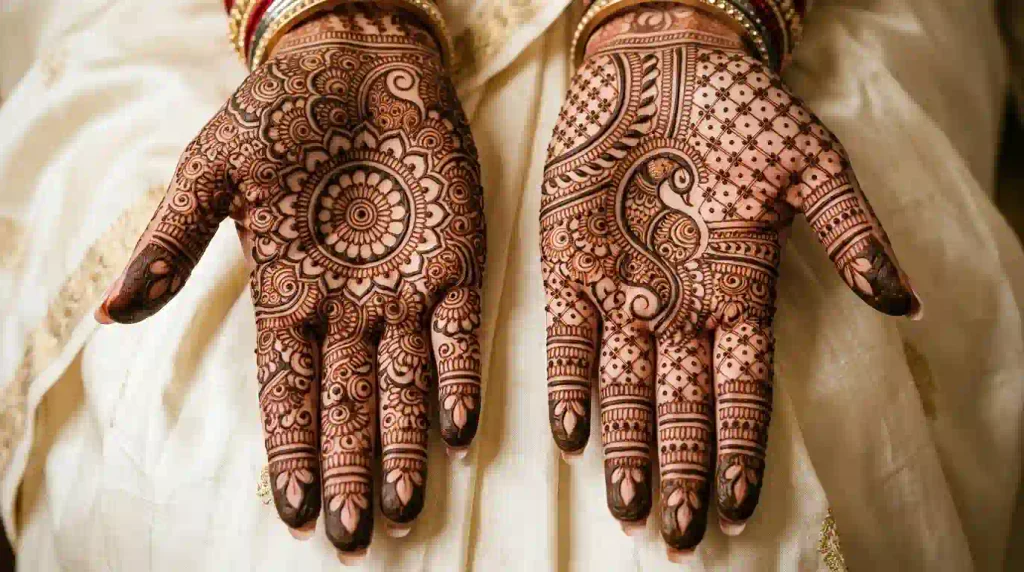
Heavy Mehndi Designs by Placement
The placement of heavy mehndi determines the composition, motif size, and overall appearance.
Full-hand designs create a traditional bridal look, while detailed forearm patterns add dramatic decoration.
Feet can also feature elaborate artwork that coordinates with the hands.
Full-Hand Bridal Mehndi Designs
Full-hand bridal mehndi covers the palms, fingers, backs of the hands, and wrists. Some patterns extend toward the elbows.
These designs frequently combine multiple motif families, including flowers, paisleys, jaal patterns, and ornamental borders.
A traditional composition may feature a large palm mandala connected to intricate fingertip details.
On the back of the hand, the artist may use a floral arrangement surrounded by fine latticework.
For especially elaborate bridal styling, the design can extend beyond the wrist through repeated paisleys and decorative bands.
Full-hand coverage provides enough space for personalized initials, small portraits, and symbolic wedding details.
The challenge is maintaining a recognizable structure despite the number of decorative elements.
Heavy Front-Hand and Palm Mehndi
Heavy front-hand mehndi concentrates detailed artwork on the palms and inner fingers.
Popular arrangements include large mandalas, lotus flowers, circular tikki patterns, and densely filled paisleys.
Thick mehndi designs for front-hand placement often use strong outlines around major motifs to keep them visually distinct.
For example, a central flower may have a broad outer border, while smaller leaf patterns fill the remaining palm.
Another attractive approach is to divide the palm into decorative sections using curved lines and fine latticework.
The fingertips can feature dense ornamental patterns that connect naturally to the central composition.
These arrangements are particularly attractive when photographed with the palms facing outward.
Heavy Back-Hand Mehndi Designs
Heavy back-hand mehndi creates an ornamental appearance that complements rings, bracelets, and bridal jewelry.
Large floral motifs, decorative net backgrounds, and patterned finger sections are popular choices.
An artist might position a large flower near the center of the back of the hand and surround it with smaller paisleys.
The remaining spaces can be filled with fine lines, dots, and lattice patterns.
A detailed wrist cuff can complete the composition.
For a royal appearance, consider combining a central lotus with ornamental bands extending toward each finger.
Maintaining consistent spacing helps prevent the artwork from appearing visually crowded.
Forearm Mehndi Designs
Forearm mehndi provides additional space for long decorative patterns and elaborate bridal compositions.
A design may begin at the wrist and continue toward the elbow using flowers, paisleys, mandalas, and repeated ornamental borders.
Long mehndi designs often work best when the motifs gradually change in scale.
Smaller details near the wrist can transition into larger flowers or traditional patterns farther along the forearm.
Some bridal compositions include symmetrical panels inspired by architectural decoration.
Others feature flowing floral vines surrounded by intricate latticework.
If you want artwork extending beyond traditional hand placement, explore body mehndi designs for additional ideas involving arms, shoulders, and other decorative areas.
Heavy Bridal Feet Mehndi Designs
Heavy bridal feet mehndi combines elaborate floral patterns, paisleys, ornamental ankle bands, and decorative toe details.
The upper feet provide space for symmetrical flowers or mandala-inspired compositions.
A large central motif can extend toward the toes through smaller vines and ornamental borders.
Ankle patterns may resemble traditional payal jewelry, with bead-like dots and scalloped decorative bands.
For a coordinated bridal look, repeat selected motifs from the hand designs.
For example, lotus patterns on the palms can be reflected in smaller floral arrangements on the feet.
The design should also accommodate footwear and the need to avoid friction while the henna paste dries.
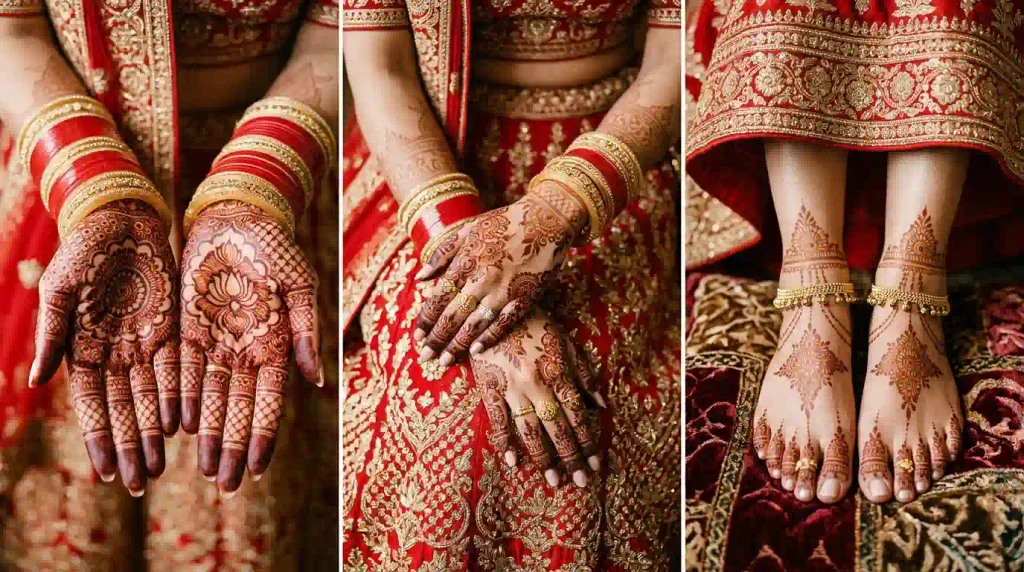
Heavy Mehndi Styles
Heavy mehndi can reflect different cultural traditions and modern artistic approaches.
Indian, Pakistani, Rajasthani, Arabic, and Indo-Arabic styles frequently share decorative motifs, but their typical compositions may differ.
Understanding these differences can help you choose artwork that complements your bridal outfit and preferred appearance.
Traditional Indian and Rajasthani Bridal Mehndi
Traditional Indian bridal mehndi is known for detailed paisleys, mandalas, flowers, peacocks, and elaborate ornamental compositions.
Rajasthani-inspired bridal henna may include traditional figurative scenes, bride-and-groom portraits, decorative elephants, and intricate borders.
Dense patterns often cover most of the hands and forearms.
A particularly attractive royal design places large paisleys near the palms and connects them through floral bands and fine net artwork.
The fingers may feature alternating lattice patterns and detailed leaf motifs.
These elaborate arrangements complement traditional lehengas, sarees, and richly ornamented wedding jewelry.
Pakistani Bridal Mehndi
Pakistani bridal mehndi commonly features elaborate floral arrangements, paisleys, mandalas, detailed wrist borders, and intricate finger patterns.
Some compositions emphasize symmetry, while others combine dense decorative sections with flowing vines.
A heavy Pakistani bridal design may feature large flowers surrounded by small paisleys and fine jaali work.
The wrists can be decorated with ornamental bands inspired by traditional bangles.
Artists may also incorporate personalized initials or meaningful symbols.
For a cohesive look, coordinate the hand patterns with selected decorative elements on the feet.
Heavy Arabic Bridal Mehndi
Arabic mehndi is often associated with bold floral outlines, flowing leaves, and relatively open compositions.
Heavy Arabic bridal mehndi builds on that structure by adding more flowers, shading, layered leaves, and detailed borders.
A large rose can form the central motif, surrounded by smaller blossoms and curved vines.
The artist may extend the composition across the fingers and wrist to increase coverage.
Although the design becomes more elaborate, maintaining the original flowing arrangement helps preserve its Arabic-inspired appearance.
This style is useful for brides who appreciate bold floral artwork but do not want every section filled with miniature details.
Pakistani Arabic and Indo-Arabic Mehndi
Pakistani Arabic and Indo-Arabic mehndi combine bold floral arrangements with intricate decorative elements.
Large Arabic-style flowers may be surrounded by fine Indian-inspired paisleys, jaal patterns, and ornamental borders.
This approach creates a balance between prominent motifs and detailed background artwork.
For example, a large diagonal flower trail can be accompanied by densely patterned fingertips and decorative wrist cuffs.
Indo-Arabic designs are particularly versatile because they can be adjusted for medium, heavy, or full-hand coverage.
Choose larger flowers for a bold appearance or increase fine detailing for a more elaborate bridal composition.
Mughal and Jharokha-Inspired Mehndi
Mughal-inspired mehndi often incorporates ornamental arches, floral borders, symmetrical arrangements, and decorative architectural shapes.
Jharokha motifs draw inspiration from traditional projecting windows and ornate architectural frames associated with historic South Asian buildings.
An artist may create an arch-shaped frame near the center of the palm and fill it with flowers, a portrait, or personalized details.
The surrounding area can feature miniature paisleys, latticework, and ornamental borders.
This style is particularly attractive for royal-themed weddings.
Using architectural motifs as focal points provides a structured foundation for otherwise dense decorative artwork.
Floral and Net Mehndi Designs
Floral and net mehndi combines large blooming flowers with fine geometric backgrounds.
A central rose or lotus can be surrounded by a diamond-shaped lattice pattern.
Tiny dots or miniature petals placed at intersections add depth and texture.
For heavy coverage, the artist may repeat net patterns across several sections of the hand while using flowers to separate them.
This creates an elegant balance between organic and geometric shapes.
Those who enjoy especially detailed patterns can explore intricate mehndi designs for inspiration involving fine linework, small motifs, and dense ornamental arrangements.
Simple Yet Heavy Mehndi Designs
Heavy mehndi does not always require complicated miniature artwork.
Simple yet heavy designs use larger motifs, broad outlines, and repeated shapes to create substantial coverage.
A large flower may occupy most of the palm, with thick petals and bold leafy borders filling the surrounding area.
Similarly, broad paisleys and repeated geometric bands can create a rich appearance without extremely fine detailing.
These patterns can be easier for an artist to complete than highly intricate bridal portraits or miniature latticework.
The key difference is that the design uses bold coverage rather than complex ornamentation.
This approach is useful for those who want a visually full hand while preferring clean, recognizable shapes.
Modern Heavy Mehndi with Negative Space
Modern heavy mehndi combines dense decorative sections with deliberately placed open areas.
For example, the wrist and fingers may feature detailed ornamentation while a narrow space separates the central palm motif.
This contrast makes the artwork appear structured rather than overcrowded.
Some modern mehndi designs use asymmetrical flowers, geometric borders, and contemporary finger arrangements.
A modern bridal composition may feature one oversized lotus surrounded by dense ornamental details and strategically placed open spaces.
Negative space is especially helpful when combining bold outlines with delicate fine-line patterns.
It allows the major motifs to remain recognizable even when the overall design features substantial coverage.
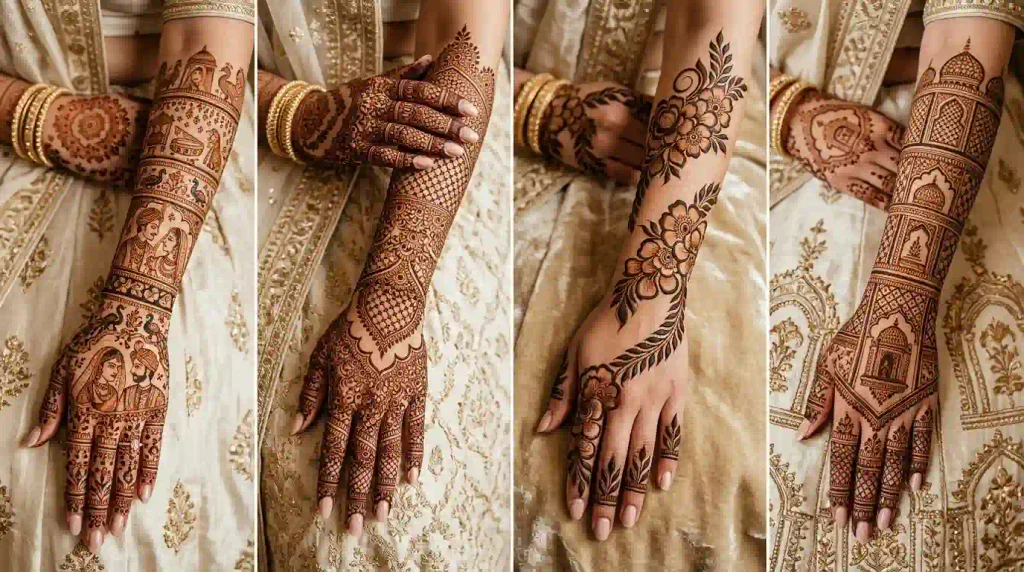
Heavy Mehndi Designs by Bridal Theme
Bridal themes provide opportunities to incorporate meaningful artwork into elaborate henna patterns.
Traditional portraits, wedding processions, royal architecture, and personalized initials can transform decorative mehndi into a visual representation of the celebration.
These designs are especially suitable for brides who want their henna to feel distinctive and memorable.
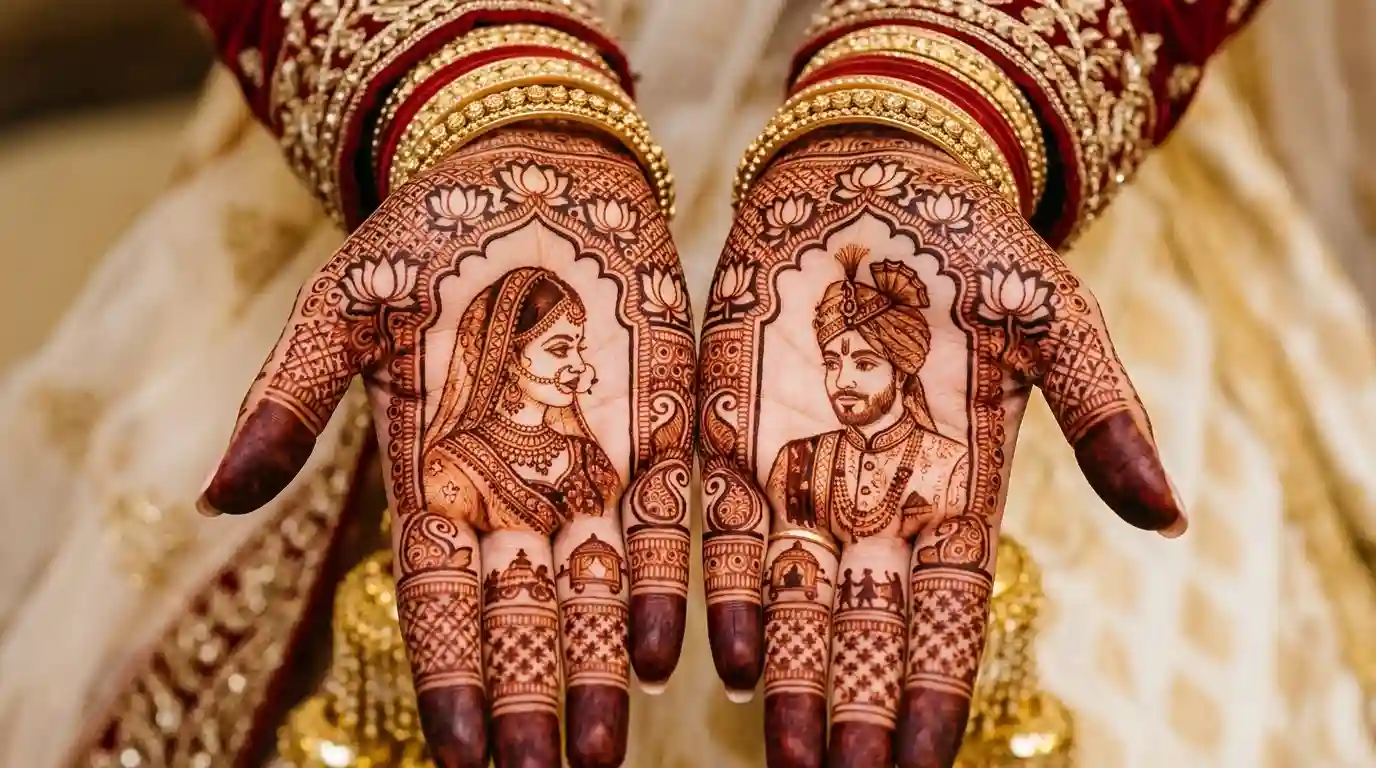
Dulha-Dulhan Portrait Mehndi
Dulha-Dulhan mehndi features artistic representations of the bride and groom.
An artist may place the bride’s portrait on one palm and the groom’s portrait on the other.
The figures can be surrounded by floral borders, paisleys, mandalas, and decorative arches.
These portraits become focal points within the larger composition.
For an elaborate bridal appearance, the remaining spaces can be filled with miniature flowers and fine jaal patterns.
Portrait mehndi requires considerable skill because the artist must balance facial proportions with the limited available surface.
Choose an artist whose portfolio demonstrates experience with figurative henna artwork.
Baraat Procession and Wedding-Scene Mehndi
Baraat-themed mehndi incorporates scenes associated with traditional South Asian wedding celebrations.
These may include a decorated groom, ornamental horse imagery, wedding processions, musicians, or architectural backgrounds.
A wedding scene can appear as a central composition on the forearm, with smaller motifs connecting it to the wrist and palm.
Artists may use decorative borders to separate different parts of the scene.
This is one of the more ambitious forms of bridal henna because multiple recognizable figures must fit within a connected composition.
Clear reference images and careful planning are important for achieving the intended result.
Personalized Mehndi with Names and Initials
Personalized bridal mehndi may include the groom’s name, initials, wedding date, or meaningful symbols.
Some brides enjoy hiding the groom’s initials within the design as part of a wedding tradition.
The letters can be integrated into floral centers, paisley borders, or decorative wrist patterns.
For a subtle appearance, use fine lettering that blends into the surrounding details.
For a more prominent design, place the initials inside an ornamental arch or framed mandala.
Brides seeking unique mehndi designs can also incorporate symbols connected to personal memories or shared experiences.
Royal and Traditional Wedding Motifs
Royal wedding mehndi often draws inspiration from traditional ornaments, palace architecture, peacocks, elephants, and ceremonial imagery.
Large lotus flowers, arch-shaped frames, ornamental windows, and decorative borders can create a regal appearance.
Gold jewelry and richly embroidered bridal clothing often complement these patterns.
Some brides incorporate elaborate peacock feathers and symmetrical floral compositions for a traditional royal look.
The design does not need to include every royal motif.
Choosing one central theme, such as a lotus mandala or architectural arch, often creates a more coherent composition.
The surrounding patterns can then support that focal point through repeated decorative details.
Heavy Mehndi Designs by Occasion
Heavy henna can suit many celebrations, although the preferred coverage and detail level often depend on the event.
Bridal ceremonies generally provide opportunities for elaborate designs, while guests and festival attendees may prefer selected dense motifs.
The best approach is to match the artwork to the occasion and your personal comfort.
Wedding and Bridal Mehndi
Weddings are among the most common occasions for full-hand heavy henna.
Bridal patterns may feature detailed mandalas, paisleys, peacocks, floral borders, and personalized imagery.
Full-hand coverage creates a traditional appearance that complements elaborate jewelry and wedding outfits.
For a complete bridal look, many artists coordinate the palms, backs of the hands, forearms, and feet.
Dense fingertip patterns and ornamental wrist bands can connect the different sections.
If you want inspiration for an elegant result, explore beautiful mehndi designs featuring decorative flowers, traditional motifs, and coordinated arrangements.
Engagement Mehndi
Engagement mehndi can be elaborate without necessarily matching the coverage of full bridal henna.
A detailed back-hand floral pattern with decorated fingertips and a broad wrist cuff creates a formal appearance.
Another option is a large central mandala surrounded by miniature paisleys.
Some people choose medium-to-heavy coverage so that rings remain visible.
If the engagement outfit features extensive embroidery, consider a design with a few clearly defined focal motifs.
The finished artwork should complement the jewelry rather than compete with it.
Mehndi Night and Barat Designs
Mehndi nights provide an opportunity for festive henna, music, and family celebrations.
Many brides schedule their main henna application before the wedding so the stain has time to develop.
Barat or Baraat bridal styling may feature elaborate patterns coordinated with traditional red, maroon, or gold wedding attire.
A large floral mandala combined with symmetrical forearm detailing can create a memorable appearance.
For an especially traditional look, incorporate decorative paisleys, lotus motifs, and ornamental borders.
Plan the application schedule carefully because extensive henna requires time for both drawing and stain development.
Nikah and Walima Designs
Nikah and Walima styling can range from minimalist to elaborate depending on cultural traditions and personal preferences.
A bride wearing a light-colored or pastel outfit may choose heavy floral motifs with carefully arranged open spaces.
For a formal Walima look, intricate wrist patterns and decorative fingertips can complement rings and delicate jewelry.
If the henna was applied before an earlier wedding event, consider how much of the stain will remain visible.
Rather than adding new paste over an older stain without planning, discuss the intended appearance and timing with your artist.
Eid and Festival Mehndi
Heavy Eid mehndi can feature detailed flowers, decorative net patterns, large mandalas, and richly ornamented fingertips.
For Eid al-Fitr or Eid al-Adha, a dense back-hand floral design may complement embroidered festive clothing.
Traditional festival patterns may also include paisleys, lotus flowers, and ornamental wrist bands.
Those who prefer somewhat lighter coverage can use one large central flower with a detailed border.
This creates the appearance of substantial ornamentation without requiring complete hand coverage.
Designs for Bridesmaids and Wedding Guests
Bridesmaids and wedding guests can enjoy bold mehndi without choosing the same level of coverage as the bride.
A detailed back-hand pattern with decorated fingers is a popular choice.
Another option is a large flower connected to a broad wrist cuff.
Matching floral motifs can also create a coordinated appearance among wedding party members.
Those exploring mehndi designs for women can compare traditional, contemporary, and festive styles suited to different preferences.
For guests, partial-hand heavy patterns often provide a balance between decorative richness and convenience.
Choosing and Coordinating a Heavy Mehndi Design
Selecting heavy mehndi requires careful planning because extensive artwork involves several connected sections.
Motif size, coverage, clothing, jewelry, and placement all influence the final result.
A well-organized design can feel rich and elaborate without looking confusing or unbalanced.
Match Design Density with Your Outfit
Begin by examining your bridal outfit.
A heavily embroidered lehenga or saree may complement dense paisley and floral patterns.
If the clothing features large decorative elements, consider using similar motifs in the henna.
For example, lotus embroidery can inspire a prominent palm mandala.
An outfit with fine geometric borders may pair beautifully with latticework and ornamental wrist bands.
Some brides prefer to coordinate their design with recognizable wedding styling trends and celebrity mehndi designs.
However, the final choice should reflect your own preferences rather than simply copying an existing design.
Choose Coverage for Hands, Arms, and Feet
Coverage is one of the biggest decisions when selecting heavy mehndi.
A full-hand design may cover the palms, backs of the hands, and fingers.
A more elaborate bridal composition may extend toward the elbows and include detailed foot patterns.
Decide whether you want dense decoration across every area or selected heavily patterned sections.
Extensive coverage usually increases application time and may make everyday activities less convenient while the paste is drying.
Choose coverage based on your available time, clothing, and comfort.
Coordinate Front-Hand, Back-Hand, Arm, and Feet Designs
Coordinating different placements creates a complete bridal appearance.
The patterns do not need to be identical, but they should share recognizable decorative elements.
For example, large lotus motifs on the palms can be complemented by smaller lotus flowers on the backs of the hands.
Paisley borders can continue onto the forearms, while the feet use matching floral arrangements.
Repeating line thickness, border shapes, and selected motifs helps the designs feel connected.
Avoid introducing too many unrelated patterns because this can reduce the overall sense of harmony.
Choose Which Areas to Cover for Each Wedding Event
Consider the schedule of your wedding celebrations.
For the mehndi night, detailed hand designs may be the main decorative focus.
For the Nikah or Barat, you may want more extensive forearm coverage.
For the Walima, the existing stain may still be visible, depending on when the henna was applied.
If you expect to wear several outfits with different sleeve lengths, choose a design that looks attractive with all of them.
A flexible composition with detailed wrists and partially decorated forearms can work well across multiple wedding events.
Balance Full Coverage with Negative Space
Heavy mehndi is associated with dense coverage, but small open spaces are still useful.
Negative space helps separate major motifs and prevents delicate details from blending together.
For example, a large mandala can be surrounded by a narrow undecorated border before the next decorative section begins.
This makes the circular design easier to recognize.
Similarly, small spaces between flowers and lattice backgrounds create visual contrast.
A heavy design can remain richly detailed while using carefully positioned empty areas to improve clarity.
Keep Dense Motifs Clear as the Stain Develops
Fine details that look separate during application may appear visually closer together after the paste is removed and the stain darkens.
This is especially noticeable when very small patterns are placed too close together.
Artists should consider line thickness and spacing when planning dense artwork.
Major flowers and paisleys need enough room to remain identifiable.
Fine net patterns also benefit from consistent spacing.
The goal is not to reduce decorative richness but to preserve the design’s structure as the stain develops.
Choose Motif Sizes for the Palm, Fingers, and Forearm
Different areas require different motif proportions.
Large flowers and mandalas fit naturally on the palms.
Narrow fingers are better suited to smaller paisleys, geometric bands, leaves, and miniature decorative details.
Forearms provide enough space for long vines, repeated borders, and larger ornamental compositions.
An effective design gradually changes motif size as it moves between these areas.
A large palm lotus may transition into smaller floral wrist patterns before connecting to broader forearm decoration.
This creates a natural visual flow.
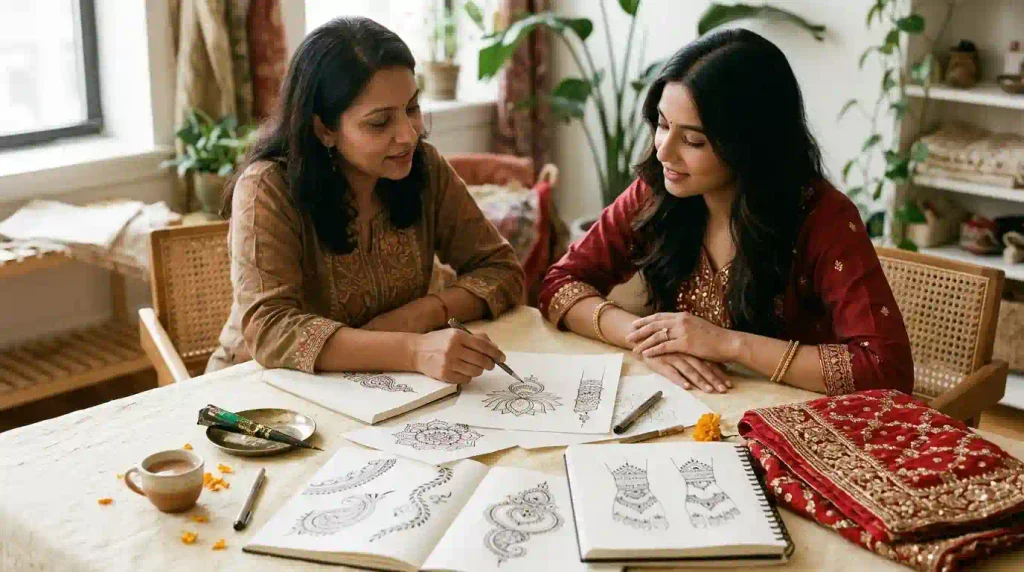
Plan a Design Consultation or Trial with Your Artist
A design consultation helps clarify the desired appearance before the bridal appointment.
Bring reference images showing preferred motifs, coverage, line thickness, and placement.
Explain which elements you want to include, such as portraits, initials, lotus flowers, or architectural borders.
Ask the artist to estimate the total application time and discuss any limitations.
For highly detailed artwork, a small trial motif on a practice surface may help demonstrate the artist’s technique.
If skin application is being considered, discuss product ingredients and any history of skin reactions before proceeding.
Preparing for a Long Mehndi Session
Heavy bridal mehndi can require several hours of detailed application.
Proper preparation makes the experience more comfortable and helps the artist work efficiently.
The appointment should account for both the time needed to draw the design and the additional time needed for the paste to remain undisturbed.
Estimate Session Time Based on Design Coverage
Application time depends on the artist’s speed, pattern complexity, and total coverage.
A dense palm design may take considerably less time than a complete bridal composition extending to the elbows.
For practical planning, the following ranges can serve as broad estimates.
| Design Coverage | Approximate Application Time |
| One detailed palm | 30–60 minutes |
| Front and back of both hands | 2–4 hours |
| Full hands with forearm coverage | 3–6 hours |
| Detailed bridal hands and feet | 4–8 hours |
| Extensive bridal artwork with portraits | 6–9+ hours |
These estimates are not fixed. Highly intricate portraits, multiple artists, and unusual coverage requirements can change the schedule.
Ask your artist for an estimate based on the exact reference design.
What to Do Before Your Appointment
Prepare for a long session by wearing comfortable clothing that allows easy access to the areas being decorated.
Loose sleeves are generally more practical than tightly fitted clothing.
Eat beforehand and arrange water or refreshments so you do not need to interrupt the application unnecessarily.
Use the restroom before the artist begins, especially if both hands will be decorated.
Clean and dry the intended application areas according to the artist’s instructions.
Avoid applying heavy lotions or oils immediately beforehand unless specifically advised.
Remove rings and bracelets that may interfere with the artwork.
If your skin is irritated or you have experienced previous reactions to henna products, discuss this before the appointment.
Staying Comfortable While Mehndi Dries
Once the henna has been applied, avoid unnecessary movement that could smear the design.
Rest your hands in a comfortable position and avoid placing decorated areas against clothing or furniture.
For long appointments, proper seating and support for the arms can reduce discomfort.
If the feet are decorated, plan how you will remain seated while the paste dries.
Keep loose fabric away from freshly applied patterns.
Do not use excessive heat or uncomfortable drying methods.
Follow the specific product instructions for drying and removal, and ask the artist how to protect delicate sections without irritating the skin.
Applying Heavy Mehndi and Developing a Dark Stain
The appearance of heavy mehndi depends on more than the amount of paste used.
Henna quality, formulation, skin characteristics, placement, application conditions, and stain development all influence the final color.
Dense artwork can look visually darker because more of the surface is decorated, but greater design coverage does not automatically create a deeper stain.
How Long Heavy Mehndi Takes to Apply and Dry
Heavy mehndi typically requires more application time than simple floral or finger patterns.
Detailed jaal work, miniature paisleys, and bridal portraits can increase the appointment length considerably.
Drying time is separate from application time.
The paste may become dry to the touch relatively quickly, but this does not necessarily mean the staining process is complete.
Different formulations require different processing periods.
Follow the manufacturer’s product instructions and the artist’s guidance rather than assuming every henna paste should remain on the skin for the same number of hours.
When to Apply Mehndi Before the Wedding
Many brides schedule their henna application approximately one to two days before the main wedding event.
This provides time for natural henna stains to develop after the paste is removed.
The color may begin as a light orange and gradually deepen over the next 24–48 hours.
However, the exact timing varies depending on the product, skin, environment, and application conditions.
A professional artist can recommend a suitable schedule for the paste being used.
If you have several wedding events, consider when the design needs to look its best.
Avoid leaving an extensive application until immediately before the ceremony without accounting for drying and stain development.
How the Henna Stain Darkens After Paste Removal
Natural henna contains lawsone, a dye molecule found in the leaves of Lawsonia inermis.
During application, the dye interacts with proteins in the outer layers of the skin.
After the dried paste is removed, the initial stain may appear orange or light brown.
Over the following day or two, the color often develops into a deeper reddish-brown or brown shade.
The final appearance varies from person to person.
Palms may develop deeper stains than some other areas because of differences in the skin.
A darker paste color does not necessarily indicate a safer or better-quality product.
Avoid products promising instant jet-black henna because these may contain potentially harmful additives.
How Long a Heavy Mehndi Stain Lasts
Natural henna commonly remains visible for approximately one to three weeks.
The duration depends on the placement, skin turnover, washing habits, friction, and initial stain.
Heavy patterns may remain visually noticeable as they fade because they cover more skin.
However, the stain itself does not necessarily last longer simply because the pattern is dense.
Handwashing, cleaning products, and repeated friction may contribute to faster fading.
Some sections may disappear before others, creating an uneven appearance over time.
Choose the application date with this gradual fading process in mind.
Heavy Mehndi Aftercare
Aftercare helps protect the appearance of the design while the stain develops and gradually fades.
The most important considerations are gentle handling, following product instructions, and avoiding unnecessary irritation.
A beautiful henna result should never depend on exposing the skin to harsh substances.
Removing Dried Henna Paste
Remove henna paste according to the product’s recommended processing time.
Once it is ready for removal, gently loosen the dried paste without aggressive rubbing.
Avoid scraping the skin with sharp objects or using harsh cleaning products.
If the artist recommends a specific removal method, confirm that it is suitable for the formulation and your skin.
The stain may initially appear lighter than expected.
This is normal for many natural henna formulations because the color can continue developing after paste removal.
Do not apply unknown darkening chemicals in an attempt to achieve a stronger color immediately.
Protecting the Design While the Stain Develops
During the early stain-development period, minimize unnecessary rubbing and friction.
Avoid pressing freshly stained areas against abrasive fabrics or accessories.
Frequent washing may affect the appearance of a developing stain, although normal hygiene should never be neglected.
Traditional aftercare methods sometimes involve sugar mixtures, lemon juice, or natural oils.
These are not essential, and acidic or fragranced substances may irritate sensitive skin.
Choose gentle care and follow reliable instructions suited to the specific product.
The final shade depends on several factors, so no home treatment can guarantee an unusually dark stain.
Caring for the Stain in the Following Days
Once the stain has developed, the design gradually fades as the skin renews.
Gentle cleansing is preferable to harsh scrubbing.
Repeated contact with detergents or strong cleaning products can contribute to dryness and uneven fading.
Use suitable skin-care products if needed to keep the area comfortable.
Do not attempt to preserve the stain by avoiding essential hygiene.
If you want to compare different visual effects, colored mehndi designs may provide inspiration involving other decorative body-art materials, but these are not necessarily traditional henna and require separate ingredient and safety assessment.
Natural henna typically develops warm orange, reddish-brown, or brown tones rather than bright artificial colors.
Henna Ingredients and Skin Safety
Henna safety is especially important when planning heavy bridal designs because extensive patterns cover larger areas of skin.
A product marketed as natural, herbal, or bridal henna is not automatically free from harmful additives.
Ingredient transparency and product suitability should take priority over promises of unusually dark or long-lasting color.
How to Check Henna Paste Ingredients
Ask the henna artist or supplier for the complete ingredient list.
Natural henna powder comes from the Lawsonia inermis plant, but prepared paste may contain other substances.
Check for undisclosed dyes, unidentified chemicals, or exaggerated claims such as an immediate black stain.
Do not assume an ingredient is safe simply because it is plant-derived.
In the United States, the FDA has approved henna as a color additive for hair coloring, not direct skin decoration.
For additional information, read the U.S. Food and Drug Administration’s guidance on temporary tattoos, henna, and black henna.
A reputable artist should be willing to discuss the ingredients and limitations of the products being used.
Natural Henna and “Black Henna”
Natural henna usually produces orange to reddish-brown or brown stains.
Some products sold as black henna contain para-phenylenediamine, commonly called PPD.
PPD is associated with potentially serious allergic reactions when used in temporary skin-decoration products.
Possible reactions include redness, intense itching, blistering, swelling, and longer-lasting skin changes.
Natural henna is not guaranteed to be completely reaction-free, but products containing inappropriate chemical additives present additional risks.
Avoid products promising instant jet-black results, particularly when the seller cannot provide reliable ingredient information.
A dark bridal stain should never be prioritized over skin safety.
When to Patch Test or Avoid Application
Patch testing may be recommended for certain skin products, but a small test does not guarantee that a henna product is safe.
Do not test suspected PPD-containing black henna on your skin.
Even a small exposure can cause sensitization or an allergic reaction.
Anyone with a history of contact dermatitis, previous reactions to henna products, or known dye allergies should seek advice from a qualified healthcare professional before considering application.
Avoid applying henna to irritated, broken, or inflamed skin.
If burning, painful swelling, blistering, or a significant rash occurs, stop using the product and seek medical care.
For older adults or anyone who prefers less extensive skin coverage, mehndi designs for older women can provide inspiration for elegant alternatives, although age alone does not determine whether heavy henna is suitable.
Heavy Mehndi Questions and Answers
What Are Heavy Mehndi Designs?
Heavy mehndi designs are dense, detailed henna patterns featuring extensive coverage, floral motifs, paisleys, mandalas, and ornamental borders.
Which Heavy Mehndi Designs Are Best for Brides?
Full-hand Indian, Pakistani, Rajasthani, Indo-Arabic, floral jaal, and personalized portrait designs are popular bridal choices.
What Is Bharwa Mehndi?
Bharwa mehndi generally refers to heavily filled henna patterns with dense decorative coverage and limited empty space.
How Long Does Heavy Bridal Mehndi Take?
Detailed bridal mehndi commonly takes around 3–8 hours, depending on the complexity and areas covered.
Are Heavy Arabic Mehndi Designs Different from Indian Mehndi?
Heavy Arabic designs often emphasize bold flowing flowers, while traditional Indian designs frequently feature finer detailing and densely arranged motifs.
Can Heavy Mehndi Be Applied on Feet?
Yes, bridal feet mehndi can feature dense floral patterns, ornamental ankle borders, paisleys, and decorative toe designs.
How Can I Make Heavy Mehndi Look Royal?
Choose prominent lotus mandalas, peacock motifs, decorative arches, symmetrical borders, and carefully arranged ornamental details.
Does Heavy Mehndi Always Need Full-Hand Coverage?
No, heavy mehndi can focus on selected areas using dense motifs, bold patterns, and decorative borders.
Can Beginners Try Heavy Mehndi Designs?
Beginners can practice simple bold flowers, thick paisleys, and repeated geometric patterns before attempting intricate bridal compositions.
How Long Does Heavy Mehndi Last?
Natural henna generally remains visible for approximately one to three weeks, depending on placement, skin characteristics, and aftercare.
When Should Bridal Mehndi Be Applied Before a Wedding?
Many brides apply henna one or two days before the wedding to allow time for natural stain development.
Can Heavy Mehndi Include Names or Wedding Dates?
Yes, initials, names, wedding dates, and meaningful symbols can be incorporated into floral borders, mandalas, or personalized bridal designs.
Are Heavy Mehndi Designs Suitable for Engagements and Eid?
Yes, medium-to-heavy floral patterns, decorative fingertips, and detailed wrist designs can suit engagements, Eid, and other celebrations.
Do Heavy Mehndi Designs Always Produce a Darker Stain?
No, stain intensity depends on the henna formulation, skin, placement, and application conditions rather than design density alone.
What Is the Difference Between Heavy and Simple Mehndi?
Heavy mehndi emphasizes extensive coverage and layered decoration, while simple mehndi uses fewer motifs and more open space.
Final Thoughts
Heavy mehndi designs bring together rich cultural traditions, intricate artistry, and elegant bridal styling. From bold floral mandalas and royal paisleys to elaborate peacock motifs, Mughal-inspired patterns, and personalized wedding portraits, these designs offer countless ways to create a memorable appearance. Whether you prefer traditional Indian and Pakistani artwork, heavy Arabic flowers, or contemporary full-hand patterns with negative space, the right composition can beautifully complement your outfit and jewelry.
Before choosing your design, consider coverage, motif size, appointment duration, and the experience of your henna artist. Prioritize safe ingredients and allow sufficient time for stain development.
Explore more bridal inspiration and creative patterns at Mehndi Designs Studio and discover a beautiful design for your next celebration.
4 Comments