
Small Mehndi Designs: Cute, Simple & Easy Ideas
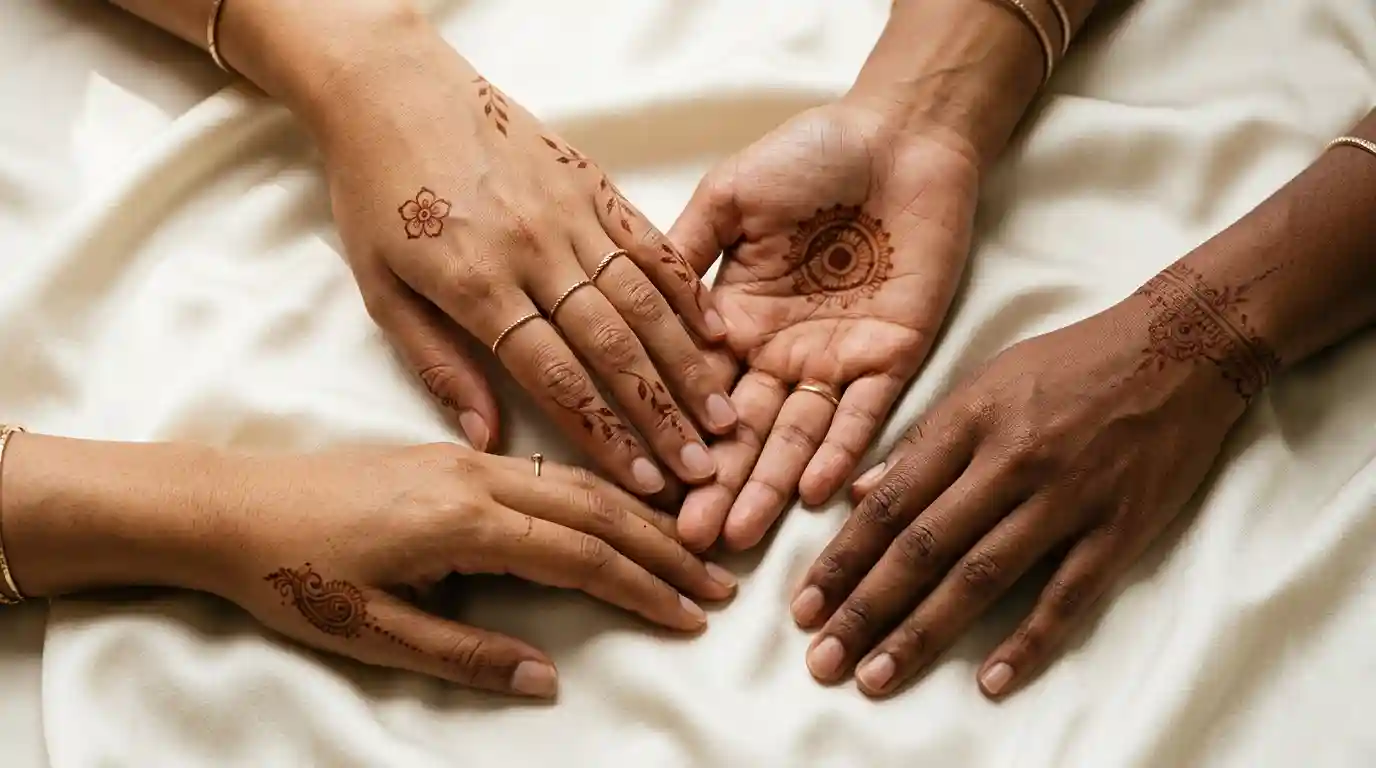
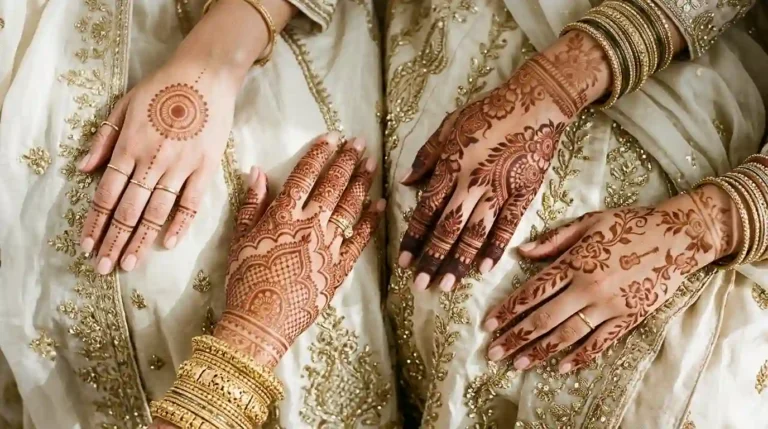
Small mehndi designs are perfect for anyone who loves beautiful henna artwork without covering their entire hands or spending hours on application. From tiny floral motifs and delicate leafy vines to minimalist mandalas, cute hearts, decorative finger rings, and simple Arabic patterns, these designs offer endless possibilities for personal expression. Whether you are preparing for Eid, a wedding, a Nikah ceremony, a family gathering, or simply want elegant everyday decoration, small henna patterns can complement almost any outfit and occasion. They are also suitable for beginners who want to practice basic mehndi strokes before attempting detailed artwork. You can choose a miniature lotus for your palm, a floral trail on the back of your hand, a geometric wrist band, or a tiny paisley near your fingers. The secret to attractive small mehndi is balanced placement, clear outlines, and enough open space to highlight each motif. This guide explores cute and aesthetic small mehndi ideas, styles, placements, beginner techniques, and practical ways to choose, apply, and care for your favorite designs.
Table of Contents
- Small Mehndi Design Ideas
- Small Mehndi Designs by Hand Placement
- Small Mehndi Designs by Motif and Style
- Small Mehndi Designs for Different Occasions
- Choosing and Customizing a Small Mehndi Design
- Applying Small Mehndi Designs
- Henna Cone and Skin-Safety Checks
- Frequently Asked Questions About Small Mehndi Designs
- Final Thoughts
Small Mehndi Design Ideas
Small mehndi designs focus on individual motifs, simple decorative arrangements, and limited coverage. Unlike elaborate bridal patterns, they usually leave most of the hand uncovered.
A well-positioned flower, vine, or geometric motif can look elegant without needing several connected patterns.
These designs are particularly appealing for people who enjoy subtle decoration, want a relatively quick application, or are learning to draw henna.
Simple and Easy Small Mehndi Designs
Simple small mehndi designs use basic shapes that are easy to recognize and reproduce.
A five-petal flower with a few decorative dots is one of the easiest options. Position it near the thumb, on the back of the hand, or in the center of the palm.
Another attractive design is a short leafy vine extending diagonally toward one finger. A curved stem with alternating leaves creates a graceful appearance without complicated detailing.
For a traditional look, try a small circular tikki surrounded by evenly spaced dots.
Other simple choices include tiny paisleys, miniature spirals, half-moon shapes, and narrow wrist bands.
The key is to choose one main motif and avoid adding unnecessary details that make the composition appear crowded.
Cute and Aesthetic Small Mehndi Designs
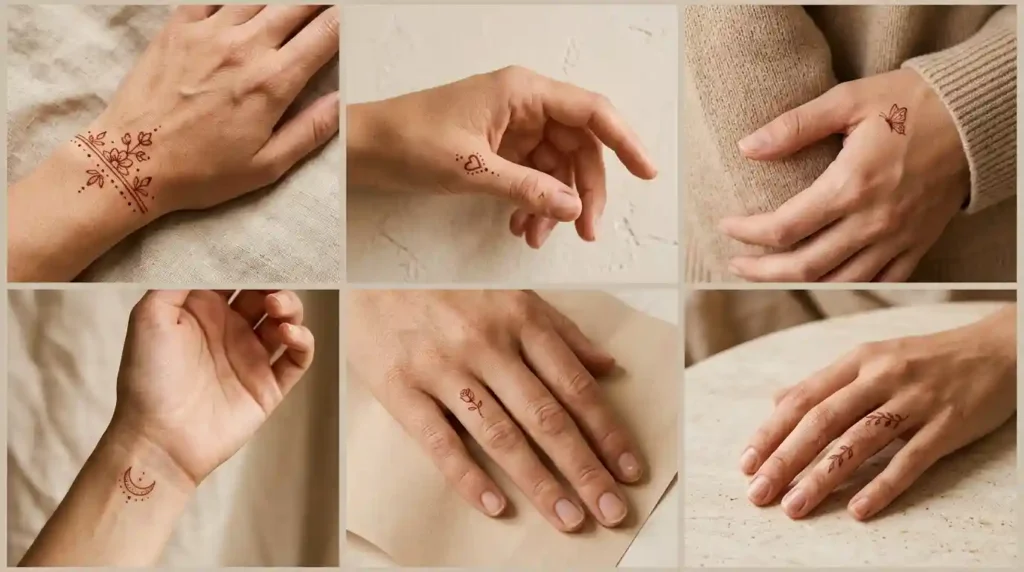
Cute small mehndi designs often feature hearts, tiny flowers, butterflies, star trails, and delicate botanical elements.
A miniature heart surrounded by dots can create a playful finger design. A small butterfly near the wrist offers another charming option.
For aesthetic small mehndi designs, consider combining one fine-line flower with a curved leafy stem and a few carefully positioned dots.
The uncovered skin around the pattern helps the design stand out.
Aesthetic designs often look especially attractive with delicate rings, pastel clothing, or minimalist accessories.
For a more personalized appearance, combine two small motifs that share a consistent line thickness and decorative style.
Latest Small Mehndi Designs
Contemporary small mehndi styles frequently emphasize negative space, asymmetrical placement, fine botanical details, and decorative finger patterns.
Instead of covering the entire palm, a design may feature one oversized miniature flower near the wrist or a narrow vine running along the side of the hand.
Other contemporary ideas include geometric finger bands, tiny celestial motifs, and jewelry-inspired dotted chains.
Some modern mehndi designs combine traditional floral elements with abstract lines or unconventional placements.
A small mandala connected to a single finger through delicate dots is one example.
These styles are suitable for people who want a fresh, understated appearance while retaining recognizable henna motifs.
Minimalist and White Mehndi Designs
Minimalist mehndi uses limited coverage, clean lines, and intentional spacing.
A single rose, half-moon, leaf, or tiny mandala can serve as the entire design.
White mehndi-style artwork offers a different decorative appearance, particularly for contemporary bridal outfits and fashion photography.
However, white mehndi is generally created using temporary cosmetic body paint rather than natural henna.
Traditional henna produces orange to reddish-brown or brown stains, not white.
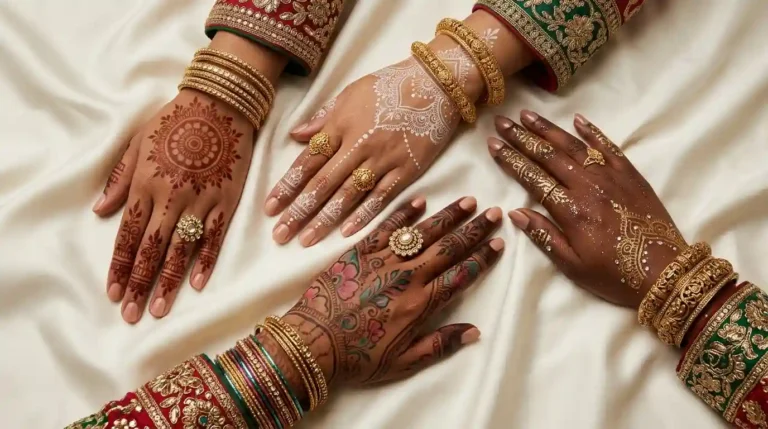
If you enjoy different decorative colors, explore colored mehndi designs for inspiration.
Always choose products specifically suitable for the intended skin application rather than using household paint or unidentified coloring materials.
Small Designs for Beginners
Beginners should start with motifs that use a limited number of strokes.
Dots, curved lines, simple leaves, small flowers, and spirals are excellent practice elements.
A basic beginner design can begin with one flower near the center of a practice hand outline.
Add two leaves, a short stem, and three decorative dots.
This creates a complete pattern without requiring complicated shading or geometric details.
Practice on paper or a reusable surface before applying any product to skin.
Once you can draw consistent lines and dots, begin connecting two simple motifs.
Avoid attempting highly detailed patterns until you feel comfortable controlling the applicator.
Small Mehndi Designs for Kids
Children may enjoy small decorative motifs such as flowers, stars, hearts, butterflies, and simple leaves.
A tiny flower or star near the wrist can provide visual inspiration without requiring elaborate artwork.
However, traditional skin-applied henna is not automatically safe for children. Some products contain undisclosed dyes or ingredients capable of causing skin reactions.
Avoid black henna, which may contain PPD, and be especially cautious with young children’s skin.
For younger children, drawing mehndi designs on paper, using reusable practice sheets, or choosing age-appropriate non-skin craft activities may be preferable.
Parents should assess any skin-decoration product carefully and seek medical advice when suitability is uncertain.
Small Mehndi Designs by Hand Placement
Placement determines how a small henna design appears.
A miniature flower may look beautiful in the center of the palm, while a leafy vine may suit the back of the hand.
Small motifs can also decorate the fingers, wrists, and feet.
Choosing a placement that follows the area’s natural shape helps even a simple design look polished.
Front-Hand and Palm Designs
Small front-hand mehndi designs often feature circular tikki patterns, tiny flowers, paisleys, and minimalist mandalas.
A small floral motif placed near the center of the palm creates a traditional appearance.
For an even simpler option, draw one circle and surround it with six small petals.
You can leave the remaining palm undecorated or add a few dots near the fingertips.
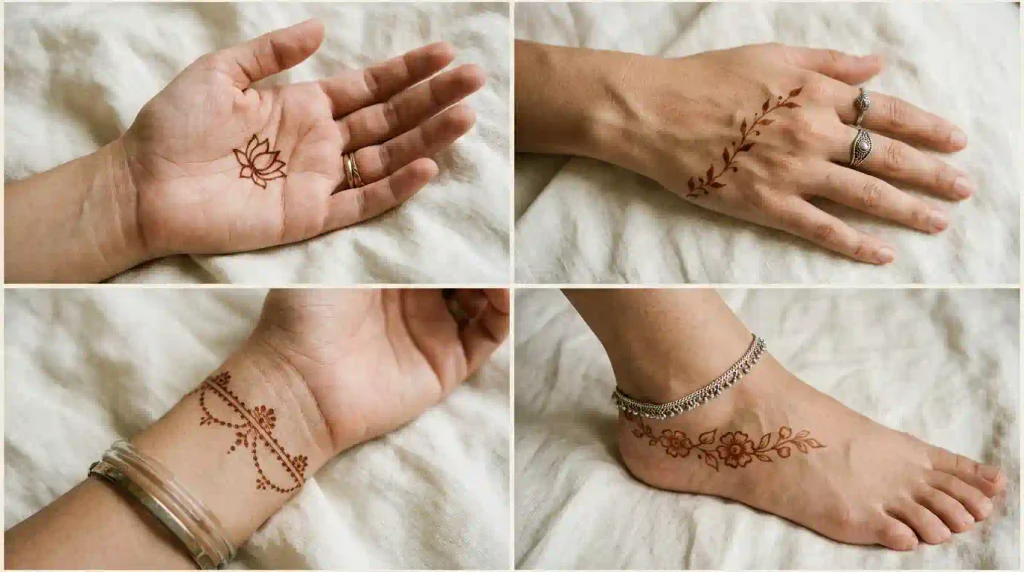
A miniature lotus is another attractive choice for the front hand.
If you have smaller palms, choose one central motif rather than trying to fit several large decorative shapes into a limited area.
This preserves the clarity of the design.
Back-Hand Designs
Small back-hand mehndi is especially attractive with rings and bracelets.
Popular ideas include a single floral branch, tiny mandala, diagonal leafy vine, or ornamental finger chain.
A simple back-hand design might begin with a small flower near the wrist.
A narrow stem can extend toward the middle finger, with miniature leaves placed along the curve.
Another option is a small rose near the thumb surrounded by three decorative dots.
These patterns leave most of the hand visible, making them appealing for casual and formal styling.
For additional inspiration, explore beautiful mehndi designs featuring delicate floral arrangements and balanced decorative compositions.
Finger and Fingertip Designs
Small finger mehndi designs use narrow elements that fit naturally along the fingers.
A tiny leafy sprig can extend from the base of the index finger toward the middle joint.
Dotted rings, small chevrons, miniature flowers, and geometric bands are other popular options.
For a coordinated design, repeat one motif across two or three fingers.
You can also decorate only one finger and leave the remaining hand uncovered.
Fingertip patterns may include tiny decorative dots or fine curved lines.
Keep enough spacing between details so they remain recognizable as the stain develops.
Wrist and Bracelet-Style Designs
Wrist mehndi can imitate a delicate bracelet through fine decorative bands.
A simple design might contain two parallel curved lines with small leaves between them.
Another option is a narrow floral border featuring miniature blossoms.
For a jewelry-inspired appearance, connect the wrist band to a small finger motif through a dotted chain.
This creates the impression of a decorative hand chain without requiring full-hand coverage.
Bracelet-style patterns work beautifully with traditional bangles and embroidered sleeves.
A small wrist cuff is also a practical choice when you want attractive henna without decorating the palms.
Side-Palm Designs
Side-palm mehndi decorates the outer edge of the palm rather than its center.
This placement is particularly suitable for short vines, miniature paisleys, and dotted trails.
A leafy branch can follow the natural curve from the wrist toward the little finger.
Another attractive idea is a small floral cluster positioned near the base of the thumb.
Side-palm designs create an asymmetrical appearance while preserving most of the palm’s open space.
For a simple yet stylish look, use a continuous vine with three or four small leaves and a few decorative dots.
Small Mehndi Designs for Feet
Small foot mehndi may feature tiny flowers, anklet-style bands, leafy vines, and minimalist toe patterns.
A miniature lotus near the ankle can create a graceful decorative effect.
Another option is a floral trail extending diagonally across the upper foot.
For a traditional look, add a narrow ornamental band resembling payal jewelry.
You can also place one small flower near the outer ankle while leaving the remaining foot undecorated.
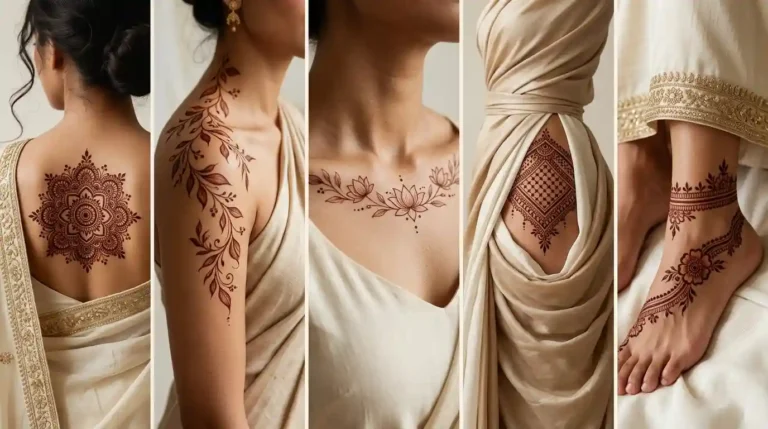
Those interested in additional decorative placements can explore body mehndi designs featuring ankles, shoulders, and other areas.
Consider footwear carefully because straps and tight shoes may rub against freshly applied artwork.
Small Mehndi Designs by Motif and Style
Different motifs create different visual effects, even when the designs are small.
Flowers and leaves produce a soft decorative appearance, geometric patterns introduce structure, and traditional paisleys add cultural character.
The most attractive miniature compositions use recognizable motifs with enough space around the details.
Floral Vine and Leaf Designs
Floral vines are among the most versatile small mehndi patterns.
A simple vine can begin with one curved stem and several pointed leaves.
Adding a small flower near the center creates a complete composition.
For a delicate appearance, use thin outlines and evenly spaced leaves.
A floral vine can decorate the wrist, side palm, or back of the hand.
It can also extend onto one finger without requiring additional background patterns.
This style is especially suitable for beginners who have practiced curved lines and leaf shapes.
Paisley and Paisley-Flower Designs
Paisley motifs are curved teardrop-shaped ornaments commonly found in traditional South Asian henna.
A miniature paisley can feature a spiral center, a few dots, and one decorative border.
For a paisley-flower design, place a small blossom near the curved end.
The combination creates a graceful motif suitable for the palm or wrist.
Several miniature paisleys can also be arranged along a short vine.
Keep the internal details simple enough to remain visible after staining.
A single well-defined paisley often looks more attractive than several overcrowded miniature shapes.
Mandala and Floral Tikki Designs
Mandala and floral tikki designs are particularly suitable for small palm artwork.
A simple tikki begins with a central circle.
Small petals, dots, or scalloped borders can be added around it.
For a miniature mandala, use two or three concentric rings rather than numerous detailed layers.
A small floral tikki can also decorate the back of the hand.
If you prefer symmetry, place matching circular designs on both palms.
Leave open space around the outer border to emphasize the central motif.
Lotus Mehndi Designs
Lotus motifs are attractive because their symmetrical petals create a recognizable floral shape.
A small lotus near the wrist can become a delicate standalone design.
Another option is a miniature lotus mandala on the palm.
Begin with a central oval or circle and add several elongated petals around it.
A few decorative dots can complete the pattern.
Lotus designs work beautifully with traditional clothing and understated jewelry.
For a contemporary interpretation, use one fine-line lotus with plenty of surrounding negative space.
Peacock Mehndi Designs
Peacock mehndi is traditionally associated with elaborate decorative artwork, but it can also be simplified into small motifs.
A tiny peacock feather is an excellent choice for a wrist or side-palm design.
The feather may feature a curved stem, fine branching lines, and one decorative eye-shaped element.
A miniature peacock silhouette can also be used on the palm.
However, the motif should be large enough to preserve its recognizable features.
For beginners, a simple feather-inspired pattern is generally easier than a complete bird with detailed plumage.
Arabic Mehndi Designs
Small Arabic mehndi typically emphasizes prominent flowers, flowing leaves, and curved vines.
A short floral trail extending diagonally across the back of the hand can create a graceful appearance.
Another option is a single Arabic rose near the wrist with two small leafy branches.
Many Arabic-inspired designs leave generous open spaces between motifs.
This makes them particularly suitable for minimalist hand decoration.
For a coordinated pair, use complementary floral vines on both hands rather than copying every detail exactly.
Moroccan Mehndi Designs
Moroccan-inspired mehndi focuses on geometric arrangements involving triangles, diamonds, angular lines, and repeated patterns.
These elements can be adapted into small finger bands and wrist motifs.
A miniature diamond surrounded by dots creates a simple geometric design.
Another idea is a narrow zigzag border across the wrist.
For a more decorative appearance, combine three small triangles with fine parallel lines.
Consistent spacing is especially important in geometric artwork because uneven outlines are easier to notice.
Mughalai Mehndi Designs
Mughalai-inspired mehndi draws on ornamental arches, floral borders, paisleys, and decorative patterns associated with historic South Asian architecture and art.
A miniature arch-shaped frame can contain a small flower or lotus.
This creates an elegant traditional motif without requiring a large palm design.
Another option is a narrow ornamental wrist border with repeated floral elements.
For a more elaborate interpretation, add a tiny lattice background around the main flower.
The design should remain simple enough for its architectural shape to be visible.
Geometric Mehndi Designs
Geometric mehndi uses straight lines, squares, triangles, chevrons, diamonds, and repeated decorative shapes.
A single diamond motif near the index finger can create a clean contemporary appearance.
Small parallel bands across selected fingers are another popular option.
For a balanced design, combine one central geometric shape with a few dots.
Avoid using too many shapes within a small area.
A consistent line thickness and symmetrical arrangement help the pattern look neat.
Geometric designs are particularly attractive alongside minimalist rings and contemporary clothing.
Heart and Swirl Designs
Heart and swirl patterns are charming choices for cute little mehndi artwork.
A miniature heart near the wrist can be surrounded by small dots or leaves.
Another option is to combine a heart with a short curved trail.
Swirls can form the centers of flowers or serve as standalone decorative motifs.
A small spiral with a leafy stem creates a simple botanical design.
For more personalized patterns, explore unique mehndi designs featuring creative combinations of symbols and traditional elements.
A tiny heart or swirl is particularly suitable when you want a design with very limited coverage.
Finger-Ring and Chain Designs
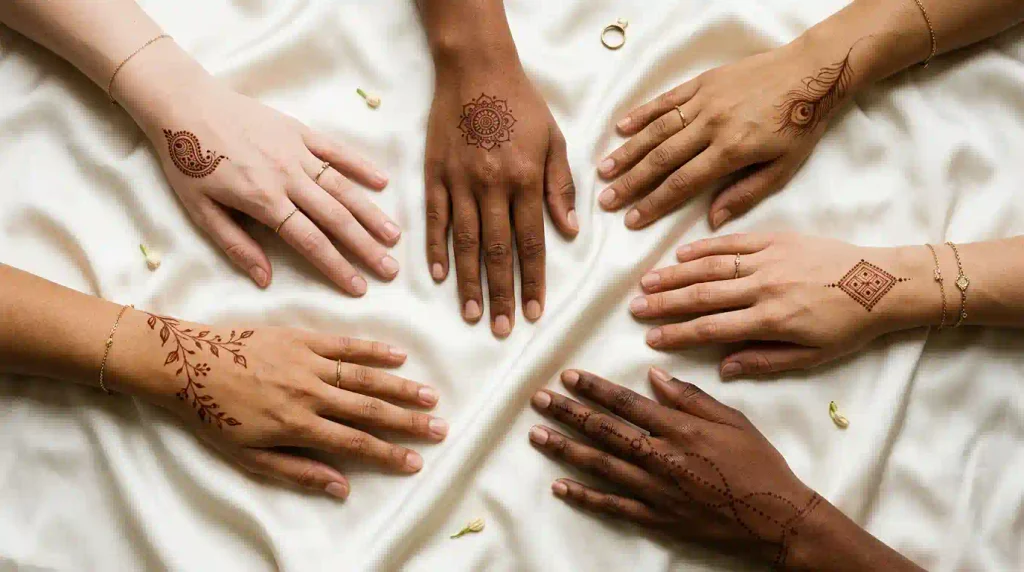
Finger-ring mehndi imitates delicate jewelry using fine decorative lines.
A narrow ornamental band may wrap around part of a finger.
Small dots or leaves can be added to resemble decorative stones.
For a hand-chain design, connect the finger band to a tiny wrist motif using a dotted trail.
The result resembles traditional hand jewelry.
This style can look especially elegant alongside physical rings and bangles.
Keep the connecting chain thin and use limited decorative accents so the design remains light.
Small Mehndi Designs for Different Occasions
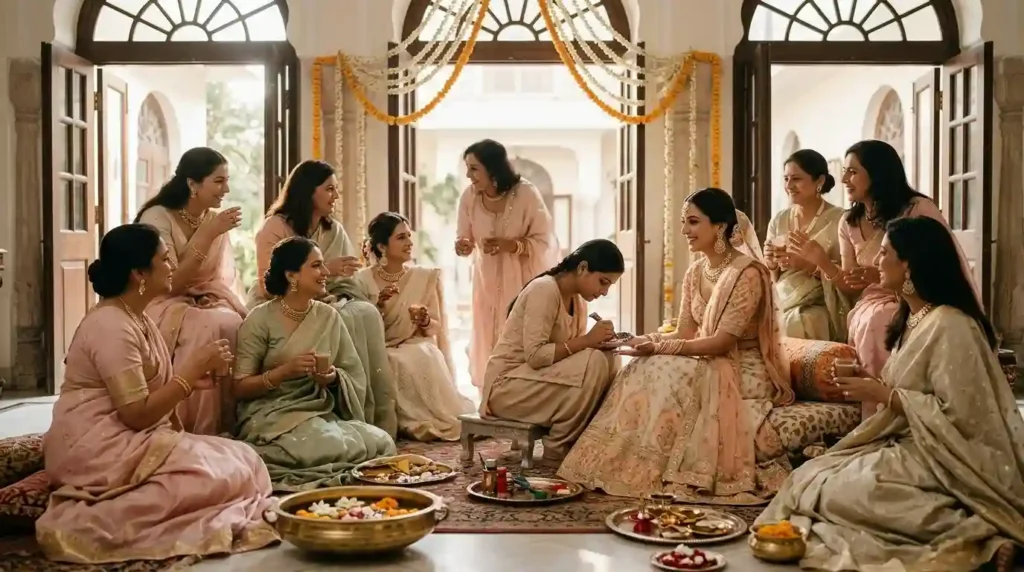
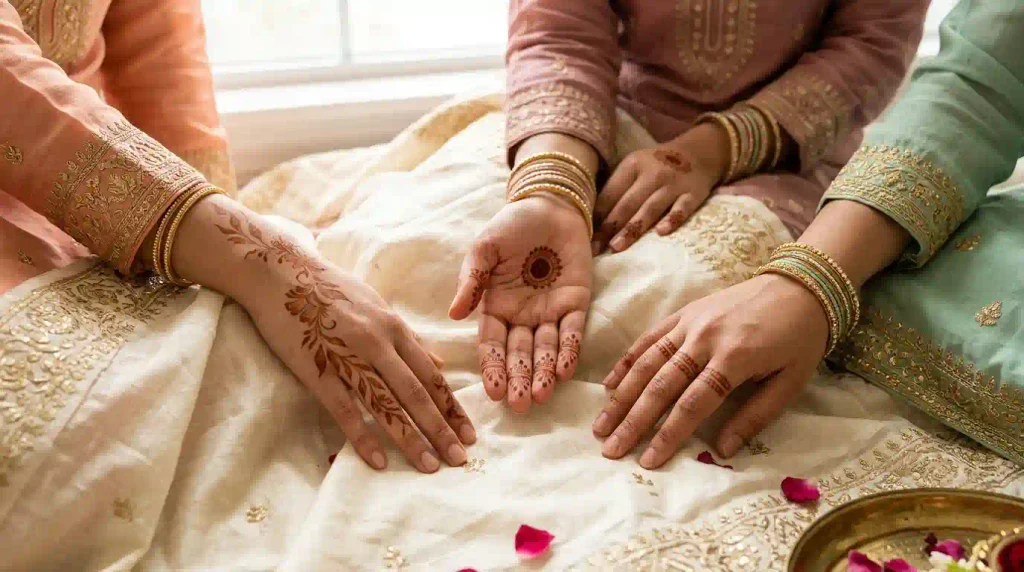
Small mehndi works for celebrations ranging from weddings and religious festivals to casual gatherings.
Because the designs require less coverage, they can be adapted to different outfits and available application times.
Eid Mehndi Designs
Small Eid mehndi designs often feature Arabic floral vines, decorative fingers, and simple wrist patterns.
A tiny rose connected to a leafy trail can complement embroidered Eid clothing.
Another attractive choice is a circular palm tikki with dotted accents.
For Chand Raat celebrations, miniature flowers and finger bands are convenient options.
A small floral design can also be coordinated with bangles and festive nail polish.
If you prefer traditional decoration, repeat similar motifs on both hands.
For a contemporary look, use one elegant back-hand design with generous open space.
Wedding and Bridal Mehndi Designs
Small wedding mehndi can be elegant without elaborate full-hand coverage.
A bride might choose a delicate mandala with personalized initials or a small floral wrist band.
Engagement ceremonies are another suitable occasion for minimalist henna.
A back-hand vine can complement an engagement ring without covering the entire hand.
Women seeking inspiration from well-known bridal looks can explore celebrity mehndi designs featuring personalized and minimal patterns.
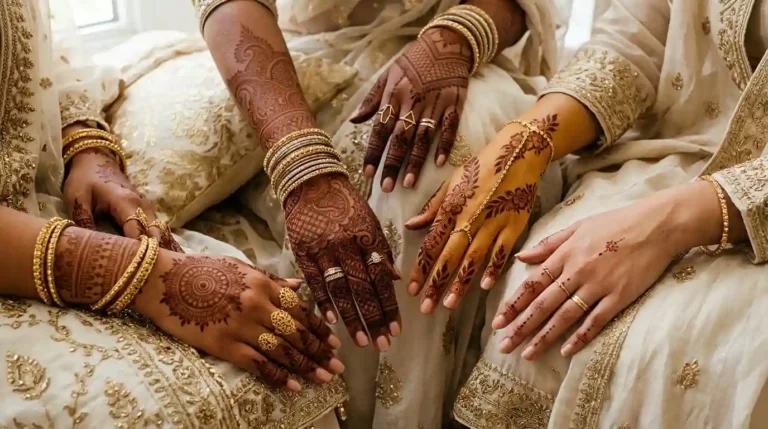
Small designs are also suitable for bridesmaids and wedding guests who prefer moderate decoration.
For a traditional Nikah look, consider matching floral wrist motifs or delicate palm patterns.
Designs for Work, School, and Everyday Wear
Small henna designs can provide understated decoration for everyday routines.
A tiny wrist flower, one finger vine, or minimalist geometric motif may feel more practical than extensive hand coverage.
College students and working adults often appreciate simple patterns that complement casual clothing.
Those interested in different styles can explore mehndi designs for women for inspiration across occasions and preferences.
For school-age children, parental judgment and skin safety are important. Henna is not automatically suitable simply because a pattern is small.
If skin application is not appropriate, paper-based mehndi drawing provides a creative alternative.
Designs for Casual Gatherings
Family dinners, birthdays, friendly get-togethers, and informal celebrations are ideal opportunities to experiment with mini mehndi designs.
A small flower near the thumb creates a subtle decorative effect.
Tiny stars, half-moons, and dotted trails offer playful alternatives.
Matching motifs can also be shared among friends.
For example, two friends might choose identical miniature flowers on their wrists.
For women who appreciate classic and understated motifs, mehndi designs for older women provide further ideas, although age does not limit anyone’s choice of style or complexity.
Choosing and Customizing a Small Mehndi Design
Choosing the right small design requires attention to motif size, hand placement, visual balance, and personal preferences.
A reference pattern may need adjustments before it fits naturally on your hand.
The most attractive designs preserve clear outlines while using open space effectively.
Choose a Design for Your Hand Shape
Small hands often look attractive with individual flowers, miniature mandalas, short vines, and delicate finger bands.
However, there is no fixed design rule based on hand size.
The important consideration is proportion.
A large mandala may dominate a small palm, while a miniature flower may provide a more balanced appearance.
Longer fingers can accommodate extended vines or geometric bands.
Shorter fingers may benefit from compact motifs with clearly separated details.
If you are choosing mehndi designs for small hands, begin with one focal motif and expand only if additional decoration improves the composition.
Resize a Reference Design Without Losing Its Detail
A large bridal pattern cannot always be reduced proportionally without losing important details.
Instead of shrinking every flower, dot, and border, identify the design’s main feature.
For example, a full-hand floral composition might contain one large rose, several smaller blossoms, and an elaborate net background.
To create a small version, retain the rose and one leafy branch.
Remove the dense background and unnecessary fillers.
This preserves the recognizable style while creating a simpler pattern.
The same method works for intricate mehndi designs that contain miniature decorative elements.
A successful small adaptation emphasizes clarity rather than reproducing every line.
Create a One-Hand or Complementary Pair Design
One-hand mehndi is a practical option when you want limited decoration.
A single back-hand flower or wrist vine can create an elegant look.
For both hands, you can choose identical designs or complementary patterns.
A matching pair might feature the same small mandala on each palm.
A complementary pair could use a rose on one hand and a leafy vine on the other.
The motifs should share similar line thickness and coverage to maintain visual balance.
There is no requirement for both hands to look exactly alike.
Plan the Design Around Rings, Bangles, and Nail Polish
Jewelry can influence the placement of small henna motifs.
If you are wearing an elaborate ring, position the main design where it frames rather than hides the jewelry.
A delicate vine near the ring finger may create a coordinated appearance.
Wrist bands can complement bangles, while finger-ring patterns may imitate fine jewelry.
Nail polish can also influence the overall aesthetic.
Neutral shades often create a subtle look with reddish-brown henna, while brighter colors provide contrast.
Choose the combination that reflects your personal style.
Choose a Design by Application Time
Small mehndi designs are generally faster to apply than elaborate full-hand patterns.
However, the actual time depends on the artist’s speed and the complexity of the motif.
| Small Mehndi Design | Approximate Application Time | Difficulty |
| Tiny dots or single leaf | 2–5 minutes | Beginner |
| Small five-petal flower | 5–10 minutes | Beginner |
| Simple finger band | 5–10 minutes | Beginner |
| Mini floral vine | 10–15 minutes | Easy |
| Small palm tikki | 10–20 minutes | Easy |
| Floral wrist bracelet | 15–25 minutes | Easy to intermediate |
| Detailed mini mandala | 20–30 minutes | Intermediate |
These estimates cover drawing time only. Natural henna requires additional time for paste processing and stain development.
If you have limited time, choose one clear motif rather than several connected patterns.
Applying Small Mehndi Designs
Small mehndi may appear easy, but neat linework requires steady cone pressure, controlled movement, and careful spacing.
Beginners should practice individual strokes before creating a complete pattern.
The aim is to develop consistency rather than finish the artwork as quickly as possible.
Practice Mehndi Strokes Before Application
Begin with a henna cone or suitable practice applicator on paper or a reusable practice surface.
Practice straight lines, dots, curved strokes, leaves, petals, and miniature spirals.
Try drawing several dots of equal size.
Next, create a row of small leaves using short curved strokes.
Once these shapes become consistent, combine them into a tiny flower or leafy vine.
Easy Five-Petal Flower Tutorial
- Draw a small central dot or circle.
- Add five rounded petals around the center.
- Extend one short curved stem.
- Place two small leaves along the stem.
- Finish with three decorative dots.
This creates a complete miniature floral design.
Simple Leafy Vine Tutorial
- Draw one smooth curved line.
- Add small pointed leaves on alternating sides.
- Place a miniature flower near the beginning.
- Add two or three small dots near the endpoint.
- Leave enough open space around the vine.
For a clean result, keep the leaf sizes similar and avoid overcrowding the design.
Once you can reproduce these patterns consistently, experiment with mini paisleys, decorative finger rings, and floral wrist bands.
How to Get a Darker Mehndi Stain
Natural henna contains lawsone, a dye molecule that stains the outer layers of the skin.
The initial stain may appear orange after paste removal.
It often deepens toward reddish-brown or brown during the following 24–48 hours.
Several factors influence the final shade, including paste formulation, skin characteristics, placement, and application conditions.
The palms may develop a deeper stain than some other body areas.
Follow the product’s instructions for processing and removing the paste.
Avoid excessive rubbing while the stain develops.
Traditional aftercare routines sometimes involve lemon-sugar mixtures or natural oils, but these are not essential and may irritate sensitive skin.
Do not use harsh chemicals, excessive heat, or unknown darkening products to force a stronger stain.
Natural henna generally fades gradually over approximately one to three weeks.
Henna Cone and Skin-Safety Checks
Skin safety is important regardless of how small the design is.
Natural henna products, commercial cones, cosmetic body paints, and products marketed as black henna may contain very different ingredients.
A small application area does not automatically eliminate the possibility of an allergic reaction.
Check the Ingredients in Henna Products
Before applying henna, ask the artist or seller for a complete ingredient list.
Traditional henna powder comes from Lawsonia inermis, but prepared pastes may contain additional substances.
Products marketed as natural or herbal are not automatically free from irritating ingredients.
Avoid cones with unknown contents, missing ingredient information, or exaggerated promises of instant dark color.
A fine-tip applicator can help create precise lines, but good application quality does not guarantee product safety.
The product’s composition and intended use should be assessed separately from the appearance of the design.
Natural Henna and Products Marketed as Black Henna
Natural henna typically develops orange, orange-brown, reddish-brown, or brown stains.
Some products sold as black henna contain para-phenylenediamine, commonly called PPD.
PPD can cause serious allergic skin reactions, including swelling, itching, blistering, and potentially lasting skin changes.
An instant jet-black stain should not be assumed to come from ordinary natural henna.
The U.S. Food and Drug Administration’s guidance on henna, mehndi, and black henna explains these risks and notes that, in the United States, henna is approved as a hair-color additive rather than for direct skin decoration.
Avoid products with suspected PPD or unidentified chemical dyes.
Do not prioritize a darker stain over skin safety.
Test a Small Area Before Applying
Patch testing may sometimes help identify sensitivity to a cosmetic product, but it cannot guarantee that the product is safe.
For products specifically intended and permitted for skin use, follow the manufacturer’s allergy-testing instructions where appropriate.
Do not perform a home patch test with suspected black henna or products that may contain PPD.
Even a small exposure can trigger an allergic reaction or contribute to sensitization.
People with a history of contact allergies or previous reactions to henna should seek guidance from a qualified healthcare professional before considering application.
Avoid applying any product to broken, inflamed, or irritated skin.
If burning, painful swelling, blistering, or a significant rash develops, stop using the product and seek medical attention.
Frequently Asked Questions About Small Mehndi Designs
What Is the Easiest Small Mehndi Design to Apply?
A five-petal flower with a short leafy stem or a simple dotted finger band is among the easiest patterns to practice.
How Long Does a Small Mehndi Design Take?
An experienced artist may complete a basic small design in approximately 5–15 minutes, although detailed motifs can take longer.
Where Can a Small Mehndi Design Be Placed?
Small mehndi can decorate the palms, backs of the hands, fingers, wrists, side palms, ankles, and feet.
Are Small Mehndi Designs Suitable for Beginners?
Yes, miniature flowers, simple vines, dots, and geometric bands are useful starting patterns for beginner drawing practice.
Which Small Mehndi Designs Are Best for Eid?
Arabic floral vines, small palm tikki patterns, decorative finger bands, and delicate wrist motifs are popular festive choices.
Can I Wear Small Mehndi at a Wedding?
Yes, minimalist floral patterns, small mandalas, and jewelry-inspired designs can complement bridal or wedding-guest outfits.
Which Small Mehndi Designs Look Good on Short Fingers?
Compact floral motifs, small dots, and narrow decorative bands can work well when adjusted to the finger’s proportions.
What Are Cute Small Mehndi Designs for Hands?
Miniature hearts, roses, butterflies, leafy sprigs, stars, and half-moon motifs are charming options.
Are Small Mehndi Tattoo Designs Permanent?
No, natural henna stains are temporary and generally fade over approximately one to three weeks.
Can Small Mehndi Designs Be Applied on Feet?
Yes, tiny lotus flowers, ankle bands, and short floral trails are attractive choices for foot decoration.
What Is the Difference Between Small and Minimalist Mehndi?
Small refers mainly to the size or coverage of a pattern, while minimalist describes a simplified artistic approach with limited detail and open space.
Do Small Mehndi Designs Produce Darker Stains?
Not necessarily; stain depth depends on the formulation, skin, placement, and application conditions rather than the size of the pattern.
Can I Apply Small Mehndi With a Fine-Tip Cone?
A suitable fine-tip applicator can help create detailed lines, provided the product is appropriate for the intended use.
How Long Do Small Mehndi Designs Last?
Natural henna commonly remains visible for one to three weeks, with gradual fading influenced by washing, friction, and skin turnover.
Can Kids Wear Small Mehndi Designs?
Skin-applied henna is not risk-free for children; parents should avoid black henna and consider non-skin decorative activities when suitability is uncertain.
Final Thoughts
Small mehndi designs prove that elegant henna artwork does not require extensive coverage or complicated patterns. From tiny floral motifs and delicate leafy vines to miniature mandalas, geometric finger bands, cute hearts, and simple wrist bracelets, there are countless ways to create attractive designs for hands and feet. Whether you are preparing for Eid, a wedding, a casual gathering, or everyday styling, the best small design is one that suits your personal taste and feels comfortable to wear.
Start with basic flowers, leaves, and dots, then experiment with different placements and decorative combinations. Choose suitable products, allow enough time for stain development, and prioritize skin safety.
For more inspiration, visit Mehndi Designs Studio and discover creative patterns for your next celebration.
One Comment